
Buy Tren E 200 Online: Best Prices and Fast Shipping
Understanding the Trenbolone Acetate Market
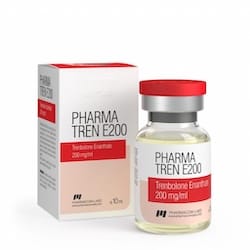
The market for trenbolone acetate is divided between high-purity laboratory reference standards and unregulated veterinary formulations. Research-grade acetate is identified by specific chemical markers and undergoes testing to confirm its precise molecular composition. In contrast, veterinary versions are intended for livestock and typically lack the strict purity certifications required for scientific analytical work or controlled laboratory research.
The Critical Distinction in Formulations
When procuring chemicals, it is important to realize that not all substances labeled “trenbolone” are the same. You might find products from sites like poseidonrx.com or other vendors, but the chemical identity depends on the intended use. Veterinary formulations are designed to promote lean muscle in cattle and do not follow human-grade purity protocols.
Research-grade acetate is a different category. This version is produced as a reference standard for analytical chemistry, intended for use in a lab to calibrate equipment or verify the identity of other substances. Because it is intended for scientific use, the manufacturing process is more disciplined and the documentation is much more thorough than agricultural supplies.
Think of it like the difference between high-octane racing fuel and the generic gas at a local station. Both can move a vehicle, but only one is refined to the precision required for high-performance engines. If you are working in a controlled lab setting, using a non-research-grade substance is like trying to perform surgery with a kitchen knife.
Verifying Purity through Chemical Fingerprints
Scientists identify authentic products by looking for the molecule’s “fingerprint.” One of the most important pieces of information is the CAS RN® 10161-34-9. This is a unique, globally recognized identification number for a specific chemical substance. It acts as a universal ID to ensure the substance is the exact molecule intended.
If a supplier provides a CAS number, you can cross-reference that substance against global chemical databases. This is a primary way to detect mislabeled bottles. If the number does not match the substance described, it is a major red flag. It is the most basic method to verify that the contents of a vial match the label.
Beyond the ID number, the molecular formula is essential in high-standard testing. For trenbolone acetate, the formula is C20H24O3. This tells scientists exactly how many carbon, hydrogen, and oxygen atoms are present in each molecule. Analytical machines, such as mass spectrometers, use this specific ratio to confirm a substance’s identity during quality control.
Technical specs like these indicate the material is handled with professional scrutiny. It is a precise arrangement of atoms that follows strict chemical laws rather than just “white powder.” Without this level of detail, there is no way to guarantee the substance is what it claims to be.
| Feature | Research Reference Standard | Unregulated/Veterinary |
| Primary Use | Analytical Chemistry/Research | Livestock/Animal Growth |
| Verification | CAS RN® & Molecular Formula | Often Unverified |
| Price Example | $314.00+ | Variable/Unregulated |
Why Reference Standards Differ from Consumer Goods
A reference standard is not a “consumer-grade” substance. According to safety guidelines, the legal and physical distinctions between these categories are significant. Reference standards are sold in small, highly controlled amounts because they are meant for testing rather than general distribution.
The gap between a lab-certified standard and an agricultural product is large. Reference standards undergo a “chain of custody” where every step of production is documented. They are often stored in specialized conditions, such as cold shipments, to prevent the degradation of the molecular structure.
You should never equate the two. If you are conducting a scientific experiment, a cheap, unverified vial can lead to failed results and wasted time. In high-level chemistry, precision is essential, and that requires respecting the distinction between a laboratory tool and a bulk commodity.
Price Breakdown and Market Realities
Understanding the price gap between a $314.00 USP reference standard and unregulated market listings requires looking beyond the sticker price. While black-market vendors offer much lower costs, these savings often come from a lack of quality assurance, improper storage, and the absence of the chemical testing required for laboratory-grade accuracy.
A $314.00 price tag for a certified reference standard covers more than just the substance. It includes the cost of absolute purity and the lab work required to verify the molecular identity through specific chemical fingerprints.
In the unregulated world, a low price is often a red flag for a product that has been cut with fillers or stored in sub-optimal conditions. You might save money upfront, but you lose the guarantee of what is actually in the vial.
Precision comes with a premium. If a supplier cannot provide a CAS RN® or a confirmed molecular formula, the low cost likely masks inconsistent quality. In scientific research, a cheap mistake can be an expensive one for your project.
The Hidden Costs of Quality and Logistics
High-end chemical procurement involves complex logistics that consumer-grade sellers often ignore. For example, a legitimate reference standard often requires specialized handling. This involves more than just simple packaging.
One significant expense is the requirement for cold shipment. Many high-purity substances are sensitive to temperature. To prevent degradation, these items must be shipped in temperature-controlled environments, adding weight and complexity to the delivery. This is why legitimate prices remain high.
Compliance is another major cost factor. Authorized distributors must follow strict regulatory frameworks, including DEA guidelines and international customs laws. They must maintain a documented chain of custody for every hand that touches the product. This accountability is what separates a professional lab from a random online vendor.
If an offer seems too good to be true, remember that safe logistics are expensive. Between specialized packaging, climate-controlled transport, and legal documentation, there is a baseline for how low a legitimate price can go. Vendors who bypass these costs are likely bypassing safety protocols too.
Review the following table to see how requirements differ between a verified research standard and unregulated options:
| Feature/Metric | USP Reference Standard | Unregulated Market Product |
|---|---|---|
| Typical Price | $314.00 | $20.00 – $50.00 |
| Shipping Requirement | Cold Shipment Required | Standard Parcel |
| Verification | CAS RN® & Certificate | None/Unverified |
| Regulatory Status | Highly Regulated/Controlled | Unmonitored/Illegal |
Identifying the ‘Cheap’ Trap
Chasing the lowest price can be a mistake. In the world of high-potency research chemicals, the “cheap” option is often a gamble. You might receive a product that is under-dosed, over-dosed, or contaminated with heavy metals and manufacturing byproducts.
Think of it as buying a high-performance engine part. You can buy a cheap, unbranded version from a questionable source, or you can buy a part that comes with a certified spec sheet. One might get the job done, but the other might blow your engine the moment you hit high RPMs. The risk is both financial and functional.
Your budget should include a “safety margin.” When you factor in the cost of failed experiments, wasted time, and the potential health or legal risks of using unverified materials, the “expensive” option often becomes the most economical choice. Always prioritize data over a discount.
Legal Compliance and Shipping Protocols
Acquiring trenbolone involves navigating strict DEA regulations because it is a Schedule III controlled substance in the United States. This classification subjects the substance to intense federal oversight, requiring specific licensing and authorized distribution channels to ensure it is used only for legitimate veterinary or research purposes.
When dealing with high-potency compounds, you are entering a regulated ecosystem. The DEA (Drug Enforcement Administration) monitors these substances to prevent diversion into illegal human use. This oversight ensures that every vial can be traced from the manufacturer to the end user via a strict chain of custody.
The “wild west” of online shopping does not apply here. Legitimate suppliers must maintain rigorous records, and attempting to bypass these laws can lead to significant legal repercussions. Compliance is the only way to operate safely and legally.
If a seller claims they can ship these items without paperwork or specialized oversight, they are cutting corners that could lead to legal trouble. Real compliance is expensive because it is the only way to ensure the material is both pure and legally obtained.
Hazardous Material Classifications
Shipping is more complex than dropping a package in a mailbox. Because of its chemical nature, trenbolone often carries the UN No: UN3077 classification. This identifies it as an “Environmentally Hazardous Substance, Solid, N.O.S.” (Not Otherwise Specified), which mandates specialized handling protocols during transit.
This classification exists because the substance can pose risks to the environment if released. Carriers must use specific packaging that meets international standards for hazardous goods. This often involves reinforced containers and specialized labeling to alert handlers to the risks involved.
Legitimate shipping costs are often higher than standard parcel rates because the logistics provider must account for the UN3077 designation. They are managing a regulated hazardous material that requires trained personnel and specific routing to reach its destination safely.
If a vendor offers “standard shipping” for a controlled, environmentally hazardous substance, it is a red flag. Proper handling is a mandatory requirement to comply with international safety and transportation laws.
Navigating International Borders
Crossing an ocean with controlled substances requires navigating many hurdles. International shipping involves extensive documentation, such as import permits, certificates of origin, and specific declarations required by both the exporting and importing countries.
Customs officials look for these specific items. If your documentation is incorrect, the shipment can be seized, destroyed, or held indefinitely. Professional procurement requires administrative expertise to manage these requirements correctly.
As documented by official guidelines, the legalities of these substances vary by nation. For example, a substance might be a veterinary tool in one region but strictly prohibited for human-related research in another. You must know the laws of both your home and the source country.
The risk of bypassing these channels is not just a lost package; it can include criminal charges for attempting to import controlled substances. Ensure every piece of paperwork is in order before paying for international transit.
The Danger of Unofficial Channels
Bypassing official procurement channels is a gamble. When you step outside the regulated market, you lose all protections regarding product purity, identity, and safety.
Unregulated markets are notorious for selling counterfeit or mislabeled products. You may think you are buying a specific concentration, but you could receive a mixture of fillers, heavy metals, or entirely different chemicals. There is no recourse if the product arrives incorrectly or damaged.
Consider these risks when evaluating a potential source:
- Legal Liability: The risk of fines or criminal prosecution for possessing controlled substances without authorization.
- Product Integrity: The high probability of receiving contaminated, under-dosed, or fake material.
- Financial Loss: The reality that “cheap” shipments are frequently seized by customs.
- Safety Hazards: The lack of oversight regarding how the substance was manufactured or stored during transit.
Safety and legality have a price. If an offer seems too good to be true, it almost certainly is. Protect your research and your freedom by sticking to verified, compliant, and documented procurement routes.
Safety Standards and Product Integrity
Ensuring product integrity requires verifying batch lot information, such as Lot R190G0, for direct traceability. High-quality standards are confirmed by detailed USP Certificate data. Avoid untraceable payment methods and vendors that fail to provide manufacturing documentation, as these often indicate counterfeit or mislabeled substances.
The Importance of Traceability
A batch lot number, like Lot R190G0, acts as a substance’s digital fingerprint. This identifier allows researchers to trace a vial back to its exact moment of manufacture, ensuring it meets purity standards. Without this, you are operating without certainty.
When a vendor provides a lot number, they are putting their reputation on the line. It demonstrates a controlled manufacturing process where every ingredient is accounted for. If a specific batch is found to be contaminated, that number allows for a rapid recall of only the affected units.
Traceability is your primary defense. In a market full of unverified products, a verifiable lot number is the difference between a controlled scientific tool and a dangerous chemical gamble. Never settle for a vendor that treats documentation as an afterthought.
Before committing funds, look for these identifiers on the product label or in the digital listing. If they cannot specify the exact batch, it is best to walk away.
Red Flags in Product Documentation
Substances are often described in two ways online. Some vendors use vague language, employing terms like “high potency” or “purest available” without providing data to back up the claims. This is a “mystery box” approach.
In contrast, legitimate professional standards rely on hard data. This includes the CAS RN® (Chemical Abstracts Service Registry Number), which is a unique numerical identity for every chemical. If a vendor cannot provide a CAS RN® or a Molecular Formula, they are selling a mystery rather than a scientific reagent.
According to USP standards, legitimate reference standards include details like the Harmonized System (HS) code and UN number for transport. These are the backbone of international safety and regulatory compliance.
If a listing looks more like a sales pitch than a technical data sheet, be cautious. A real laboratory product provides facts rather than trying to “sell” you.
The Peril of the Black Market
The black market often prioritizes profit margins over the rules of chemistry. When people bypass legal channels, they enter a landscape filled with counterfeit or mislabeled substances that may be fundamentally different chemicals entirely.
You might expect a controlled dose of a specific compound but receive a mixture of cheap fillers or heavy metals. This is the reality of unregulated manufacturing, where there is no oversight, no quality control, and no recourse if something goes wrong with your research or health.
Consider these risks when evaluating a potential source:
- Counterfeit Substances: Products that look real but contain no active ingredients.
- Mislabeled Concentrations: Receiving a much stronger or weaker dose than printed on the vial.
- Contamination: The presence of bacteria, pyrogens, or toxic manufacturing leftovers.
- Incorrect Identity: Receiving an entirely different substance with different side effects.
Many of these substances look professional, arriving in clean vials with high-quality labels, but the contents remain a gamble. You could pay hundreds of dollars for something that is essentially dangerous trash.
Payment and Transparency
A major red flag involves how a vendor requests payment. Sellers who insist on untraceable methods—such as certain cryptocurrencies, wire transfers to personal accounts, or gift cards—are often trying to avoid a paper trail.
Legitimate businesses maintain a paper trail, including invoices and receipts, for tax and regulatory purposes. When a vendor refuses to provide a standard receipt or insists on “off-the-books” payments, they are signaling that they are not prepared to stand behind their product.
If you cannot track the money, you cannot hold the vendor accountable. If a shipment arrives empty or incorrect, you have no leverage against a vendor who operates anonymously.
Prioritize vendors who operate with transparency, providing clear shipping terms, detailed product information, and traceable payment options. This formality serves as your safety net in a risky market.
Evaluating Alternatives for Performance and Research
Transitioning from high-risk compounds to safer, evidence-based substitutes involves prioritizing legal, clinically studied, and medically supervised options. Instead of chasing unregulated substances, focus on hormone replacement therapy through legitimate medical channels, utilize proven nutritional supplements for muscle synthesis, and adhere to strictly regulated research protocols to ensure both physical safety and legal compliance.
If you are looking at questionable online listings, consider the risks. The pull of rapid transformations is strong, but the cost of a mistake is often much higher than any muscle mass gained. Many people chase “miracle” results only to face significant health complications or legal issues.
The key is knowing when to pivot. If your goal is long-term health and sustainable performance, moving away from unregulated markets toward pathways that offer predictability and transparency is essential. This does not mean settling for mediocre results; it means changing your strategy.
Navigating Legal and Medical Pathways
For many, the most effective shift is toward medical-grade hormone replacement therapy (HRT). HRT involves using clinically approved hormones to restore natural levels in the body. When supervised by a licensed physician or endocrinologist, it provides a level of control and safety that black-market vials cannot match.
Medical professionals operate within a framework of accountability. If you experience adverse side effects, a doctor can help manage them. In the unregulated market, you are conducting high-stakes experiments on your own body without a lab, peer review, or a way to fix errors.
According to research guidelines, the safest way to handle potent substances is through established, authorized channels. This is vital in professional or academic research settings, where every milligram must be accounted for and every outcome documented to meet legal standards.
If you are looking for a legitimate route, consider these steps:
- Consult a Specialist: Talk to a hormone specialist or endocrinologist about your physiological needs.
- Blood Work First: Do not assume you need a supplement or hormone without seeing your baseline levels on a lab report.
- Prescription Integrity: Only use medications filled by a licensed pharmacy that requires a valid, verifiable prescription.
Leveraging Clinically Studied Supplements
If you are not seeking pharmaceutical intervention, you can still make progress using clinically studied nutritional supplements. These substances have undergone testing to prove their efficacy. While they may not provide the extreme boost of a heavy steroid, they provide a foundation for lasting growth.
Building a foundation is like building a house. Instead of a pile of sand, use stones like high-quality whey protein, creatine monohydrate, and essential amino acids (EAAs). These support muscle protein synthesis—the biological process of repairing and building muscle tissue—without the systemic risks of heavy androgenic compounds.
“More” is not always “better.” Sometimes, the most effective way to overcome a plateau is to optimize your micronutrients and recovery protocols rather than adding potent stimulants. A well-structured nutritional plan can yield significant results through safer means.
Here is a look at some evidence-based pillars for muscle growth:
| Nutrient/Supplement | Primary Function | Evidence Level |
| Creatine Monohydrate | ATP (Energy) Resynthesis | Extremely High |
| Whey Protein | Amino Acid Availability | High |
| Beta-Alanine | Intracellular Buffering | Moderate to High |
Prioritizing Safety in Your Research
Safety and performance are intertwined. If you are conducting research, the goal is to isolate variables. Using a substance from an unknown source introduces many unknown variables, such as impurities, incorrect dosages, and heavy metal contamination. You end up researching the quality of a vendor rather than the compound itself.
Serious researchers and elite athletes should demand high-purity standards. This is why professionals use “Reference Standards”—substances produced with a certified level of purity used as a benchmark. While these can cost upwards of $314.00 per vial, the precision they offer is unmatched.
Do not let the price tag intimidate you. In high-level science, a $300 or $500 investment in a verified, traceable product is much less than the cost of treating liver or kidney complications. True performance is built on the ability to stay in the game, and you cannot stay in the game if you are sidelined by preventable health crises.
When evaluating any new addition to your regimen, ask these three questions:
1. Do I have a way to verify the exact chemical identity of this substance?
2. Is this being administered under the guidance of a professional or through a documented, legal protocol?
3. If this goes wrong, do I have a clear, immediate path to medical intervention?
- anabolic steroids
- test 500
- test e 300
- testosterone cypionate
- testosterone enanthate
- testosterone injections
- testosterone propionate
- testosterone undecanoate
- tren
- tren ace
- tren e 200
- trenbolone acetate 100mg
- trenbolone enanthate
- tri tren
- t3
- anapolon
- anavar
- arimidex
- boldenone
- cabergoline for bodybuilding
- clenbuterol
- clomid pct
- cutting stack
- deca steroid
- dianabol pills
- equipoise 300
- hcg 5000 iu
- hcg 10000 iu
- human growth hormone
- masteron
- oxandrolone 10mg
- parabolan 100
- primo steroid
- proviron
- sermorelin injections
- somatropin
- stanozolol
- sustanon
- turinabol