
Buy Testosterone Propionate Online: Order Legally and Safely
The Reality of Sourcing Testosterone Propionate Online
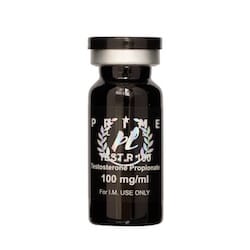
To source testosterone propionate legally, you must use a DEA-compliant telemedicine provider. This process requires a valid prescription based on clinical blood work and a physician’s consultation. Using unregulated marketplaces is risky; medical-grade medication must be authentic, sterile, and appropriate for your specific hormonal profile.
Finding Reliable Hormone Therapy Online
The internet is vast, and when searching for hormone replacement, you will quickly notice a massive gap between legitimate medical care and shady marketplaces. Many websites promise “instant” results with no questions asked, but these are major red flags.
Legitimate telemedicine providers follow strict federal guidelines. These companies facilitate a medical relationship with a board-certified physician. They do more than just ship a product; they oversee a medical process that includes diagnostic testing, a formal diagnosis of hypogonadism (low testosterone), and a treatment plan tailored to your body.
Illicit marketplaces operate differently. These sites often bypass the medical process by offering “no prescription required” deals. While these shortcuts may seem tempting, unregulated sources are a gamble. You have no way of verifying if the substance in the vial is actually what the seller claims it to be.
You might see names like poseidonrx.com or other vendors during your search. Ultimately, the legality of your source depends on whether they follow regulations set by the Drug Enforcement Administration (DEA). If they skip the physician requirement, they are skipping necessary safety protocols.
The Necessity of Clinical Supervision and Lab Work
You cannot manage what you do not measure. Testosterone propionate is a fast-acting ester, meaning it enters your bloodstream quickly to provide a rapid onset of hormone levels. Because it hits the system so fast, having an accurate baseline of your current levels is essential before you ever start injections.
A legitimate process always begins with a blood panel. This is your roadmap. A doctor needs to see your total and free testosterone levels to ensure you actually require replacement therapy. Without this data, you are essentially flying blind, risking a significant hormonal imbalance.
A real medical provider will require a confirmatory assessment. They won’t just take your word for how you feel; they require hard data from a CLIA-accredited lab. This ensures the dosage you receive is the smallest amount necessary to restore your natural balance, rather than an excessive amount that could cause side effects.
If a site asks you to fill out a simple contact form and then ships medication to your door, walk away. That is a transaction for a controlled substance, not a medical consultation. Real healthcare requires a legitimate doctor-patient relationship built through medical history and verified laboratory results.
The Risks of Unregulated Sourcing
Buying from unregulated sources is like buying food from a stranger on the street. You might get what you expected, or you might get something much worse. For injectable hormones, risks include contamination, incorrect concentrations, or the presence of dangerous substances like anabolic steroids.
Sterility is a major concern for intramuscular injections. Professional pharmacies use pharmaceutical-grade excipients, such as MIGLYOL® 812N oil, to ensure the solution is stable and safe. Unregulated vendors often use inferior bases or non-sterile environments, which can lead to abscesses, infections, or severe tissue irritation at the injection site.
The lack of oversight also means there is no recourse if something goes wrong. If an illicit vendor sends you a batch of propionate that is actually a different, much stronger steroid, you have no way to report them or seek help through a provider. You are left to deal with the fallout of their negligence alone.
These risks are serious. According to Carie Boyd Pharmaceuticals, professional-grade compounds are tested for sterility, assay, and endotoxin to ensure they meet strict safety standards.
Identifying Reliable US-Based Providers
When evaluating your options, look for the hallmarks of a legitimate US-based pharmacy. A real provider will have a physical US address and will work with licensed physicians authorized to practice in your specific state. This legal framework is designed to protect patients.
A reliable provider will also offer transparent pricing and clear communication. You should never feel like you are being sold a “black box” product. Instead, you should receive detailed information about your medication, how it was manufactured, and how to monitor your progress through regular follow-up testing.
Use the following table to spot the difference between a professional medical service and a risky marketplace:
| Feature | Legitimate Telemedicine | Illicit Marketplace |
| Prescription Required? | Yes, from a licensed MD/DO | No (Red Flag) |
| Blood Work Required? | Mandatory for diagnosis | Never or “estimated” |
| Physician Consultation? | Video or telehealth required | None or “automated” |
| Pharmacy Location? | Licensed US-based pharmacy | Often overseas or unknown |
Your health is worth more than a “deal.” Investing in a reputable, US-based provider ensures you receive high-quality, tested medication managed by professionals who prioritize long-term wellness.
Comparing Testosterone Ester Blends and Dosages
Testosterone ester blends use different chemical attachments to control how quickly hormones enter your bloodstream. Propionate esters act rapidly to provide a quick boost, while cypionate esters release more slowly for long-term stability. Combining them helps prevent the dramatic hormonal “rollercoaster” of high peaks and low valleys often associated with single-ester injections.
Think of it like a campfire. A quick-burning starter fluid gets the flames roaring immediately, but you need heavy logs to keep the warmth consistent throughout the night. In hormone replacement, the propionate acts as your starter fluid, while the cypionate serves as the steady, glowing embers that sustain your levels.
This approach leads to a smoother physiological experience. When you use a blend, you aren’t just chasing a high; you are managing a steady state. This consistency is vital for avoiding the mood swings, fatigue, or irritability that can occur when levels crash between doses. The goal is to find a stable hormonal equilibrium.
Mechanics of the Ester Blend
The “ester” is a molecular tail attached to the testosterone molecule. This tail dictates how fast your body can strip the testosterone away and use it. A short, simple tail like propionate is easy for the body to break down, meaning the testosterone hits your system almost immediately after injection.
Cypionate is a much larger, more complex molecule. It takes the body significantly longer to process this “heavy” tail, which is why it is considered a sustained-release ester. This slower breakdown ensures a portion of the medication lingers in your system, providing a steady supply for days or even weeks.
By mixing these two, clinicians can bridge the gap between immediate onset and long-term maintenance. This dual-action approach addresses the need for a quick rise in levels while ensuring you don’t experience a sudden, uncomfortable drop-off before your next scheduled dose.
The blend is designed to provide stability. If you feel “off” or moody a few days after an injection, it might be because your ester is releasing too quickly. A blend can help smooth those transitions, making the therapy feel less disruptive to your daily life.
Understanding Common Concentrations
When looking at a vial of office-use medication, you will often see notations like 200mg/10mg per mL. This is a recipe that tells you exactly how much of each ester is present in every milliliter of the liquid.
In this specific 200/10 blend, the 200mg refers to the Testosterone Cypionate (the long-acting component) and the 10mg refers to the Testosterone Propionate (the fast-acting component). This ratio is calculated to ensure the fast-acting dose provides an immediate lift without overwhelming the system, while the cypionate provides long-term support.
The liquid is usually suspended in a pharmaceutical-grade oil, such as MIGLYOL® 812N. This oil acts as a carrier, helping the medication stay dissolved and ensuring it is absorbed properly into the muscle tissue. Using a high-quality oil base is a hallmark of professional compounding, which reduces the risk of injection site irritation.
Remember that the concentration determines how often you need to inject and how much total testosterone enters your system. Always follow the specific dosing instructions provided by your medical professional to avoid accidental over-supplementation.
To show how these products are typically structured for professional use, I have outlined common pricing and quantity configurations below:
| Product Configuration | Quantity/Volume | Estimated Cost | Primary Use Case |
|---|---|---|---|
| Standard Blend Vial | 30 mL | $150 – $250 | Long-term maintenance |
| Bulk Office Supply | 100 mL | $450 – $600 | Clinical practice use |
| Single Dose Unit | 1 mL | $15 – $30 | Test or trial phase |
These figures are approximations. Actual costs can vary based on the specific pharmacy, the purity of the oil base, and whether you are purchasing through a telehealth subscription or a direct clinical order.
When navigating the legal complexities of these medications, it is crucial to understand the rules. According to Hone Health, a legitimate prescription requires a thorough process including lab work and physician consultation to ensure the treatment is both safe and medically necessary.
Evaluating Injection Bases and Compound Quality
High-quality testosterone compounds utilize MIGLYOL® 812N, a pharmaceutical-grade medium-chain triglyceride (MCT) oil, to ensure stability and minimal irritation. This specialized oil base reduces injection site discomfort through its anti-inflammatory properties and low reactivity, providing a smoother experience than traditional oils like grapeseed oil.
When managing hormone replacement, the carrier liquid matters as much as the hormone itself. You are injecting a chemical solution into your muscle tissue. If that solution is poorly formulated, you might deal with localized swelling or persistent soreness that makes your next dose difficult.
The oil base acts as the vehicle for your medication. A high-quality vehicle ensures the testosterone is delivered evenly and stays stable in the vial. If the oil is unstable, the hormone can oxidize and “spoil” before you even use it. This is why professional compounding focuses heavily on the excipients, or inactive ingredients, used in the mix.
A premium base leads to a more predictable therapeutic experience. When the base is top-tier, you aren’t fighting against inflammation or inconsistent absorption. You want a product that works with your biology, not one that causes a localized battle every time you administer a dose.
The Evolution of Oil Bases
In the past, grapeseed oil was a common choice for many compounding pharmacies. It was inexpensive, but it has a downside: a limited availability of pharmaceutical-grade versions. Without strict oversight, impurities can cause unnecessary skin irritation or discomfort at the injection site.
Modern medicine has largely moved toward MCT oils, specifically MIGLYOL® 812N. This is a highly refined, FDA-approved medium-chain triglyceride oil. Unlike heavier oils that might sit in the tissue and cause “lumps,” MCT oils are more compatible with human biology and are designed to be absorbed efficiently and cleanly.
The transition from grapeseed to MIGLYOL® 812N is a significant upgrade for patient comfort. Professionals often prefer this oil because it possesses naturally occurring anti-inflammatory properties, which limits the discomfort during and after the injection.
If you look at the technical breakdown of these bases, the differences become apparent:
| Oil Type | Stability Level | Inflammatory Risk | Common Use |
|---|---|---|---|
| Grapeseed Oil | Moderate | Higher | Legacy Compounding |
| MCT (MIGLYOL® 812N) | High | Very Low | Modern Clinical Standard |
Safety Standards: Sterility and Testing
You should never settle for anything less than absolute certainty regarding sterility. When a product is injected into your muscle, it must be free of bacteria, fungi, and endotoxins. Endotoxins are toxic byproducts of certain bacteria; even if the bacteria are dead, their shells can trigger a massive inflammatory response in your body.
Seeing “endotoxin tested” on a manufacturer’s specification is a non-negotiable requirement. This means the product has undergone rigorous testing to ensure it won’t cause a systemic reaction. It is the difference between a professional-grade medical product and a questionable substance found on the internet.
Safety is built into the testing phase. A reputable manufacturer will perform assay testing to confirm the actual potency of the hormone. If a vial claims 100mg but only contains 80mg, your hormone levels will fluctuate wildly, making your therapy feel unstable.
According to Carie Boyd Pharmaceuticals, high-quality injections should be sterility, assay, and endotoxin tested to meet clinical standards. This oversight ensures that what is on the label is exactly what enters your bloodstream.
Navigating the Legal Path to a TRT Prescription
To legally obtain testosterone online, you must work with a provider that follows DEA guidelines. This involves a physician-led consultation, verified lab assessments, and a formal prescription. This process ensures your hormone therapy is clinically monitored, safe, and tailored to your unique biological needs through regular medical oversight.
Think of the legal path like a navigation system. You wouldn’t drive a luxury car without checking the map first. Similarly, you shouldn’t start hormone replacement without a clear, medically-backed route. The goal is to move from “feeling off” to a stabilized, healthy state through a structured, professional framework.
This process is designed to protect your health. It is not a quick fix or a simple transaction. Instead, it is a clinical journey that relies on hard data and professional expertise to keep your levels in the “goldilocks zone”—neither too high nor too low.
The Importance of Precision Lab Testing
The foundation of any legitimate treatment is blood work. You cannot guess your way to hormonal balance; you have to measure it. This requires testing for both total and free testosterone levels. While total testosterone tells you the overall amount in your blood, free testosterone is the “active” portion available for your body to actually use.
To ensure these results are accurate, samples must be analyzed by a CLIA-accredited lab. CLIA (the Clinical Laboratory Improvement Amendments) is a federal regulatory standard that ensures all clinical laboratory testing performed in the United States meets strict quality and accuracy requirements. Without this accreditation, the data is unreliable.
These tests provide the biological truth. If a company skips this step or uses non-accredited labs, they are cutting corners that could lead to dangerous dosing errors. You want a provider that treats your blood work as the ultimate source of truth for your care.
Consulting with the Experts
Once your lab results are in, you will enter a telehealth consultation with a board-certified specialist. These are doctors licensed in your home state who specialize in fields like endocrinology or urology. They evaluate your symptoms, medical history, and lab data rather than just checking boxes.
This is where the human element enters the equation. A specialist will discuss how you have been feeling—whether it is fatigue, mood shifts, or changes in libido—to see if the lab numbers match your lived experience. It is a collaborative dialogue to determine if Testosterone Replacement Therapy (TRT) is the right tool for your situation.
According to Hone Health, telehealth safeguards ensure that prescribing only happens when a legitimate doctor-patient relationship is established through these formal assessments.
Verification and the Monitoring Cycle
Before any medication is delivered, a second layer of protection is triggered. Most reputable providers require a confirmatory blood assessment. This second test verifies the initial diagnosis, ensuring the doctor’s recommendation is backed by consistent evidence. It is a “double-check” mechanism to prevent unnecessary medication use.
Once you begin therapy, you enter a 90-day monitoring cycle. Every three months, you will undergo new blood tests and a follow-up consultation. This is vital because your body is a dynamic system. A dose that worked perfectly in month one might need a slight tweak by month four to keep you in your optimal range.
This cycle is your safety net. It allows your physician to catch potential side effects early and adjust your dosage to keep your hormones stable. If you miss these check-ups, you risk losing the continuity of your care and facing delays in your prescription refills.
Cost Breakdown and Subscription Models
Monthly TRT costs typically range from $50 to $300, depending on whether you choose a simple medication-only refill or a comprehensive telemedicine subscription. While standalone injections are the most budget-friendly option, all-in-one services offer value by bundling lab work, physician consultations, and doorstep delivery into a single monthly fee.
Comparing Delivery Methods and Administration
The price tag shifts significantly depending on how you take your medication. Injections are the most budget-friendly option. Because they are often compounded in larger volumes, the cost per milligram is usually much lower than other methods. Most men find that staying consistent with injections is the most cost-effective path over the long term.
Topical options like gels or creams offer a non-invasive alternative for those who want to avoid needles. However, these often come with a premium price tag. You are paying for the convenience of a daily application and the specialized formulation required to ensure the hormone penetrates your skin effectively.
Patches sit in the middle of the spectrum. They provide a steady, slow release of the hormone, which can help avoid the “peaks and valleys” sometimes seen with fast-acting esters. While they are more expensive than a standard vial of injectable, the ease of use and the ability to avoid accidental skin contact with partners can be worth the extra cost.
| Method | Estimated Monthly Cost | Primary Benefit |
| Injectable Vials | $50 – $100 | Highest cost-efficiency |
| Topical Gels/Creams | $150 – $250 | Non-invasive application |
| Transdermal Patches | $150 – $300 | Steady hormone release |
The Value Proposition of Telemedicine Services
Modern healthcare has moved toward the “all-in-one” model. These services bundle your blood work, doctor visits, and prescriptions into one monthly subscription. This model handles the logistics of finding a specialist, scheduling appointments, and coordinating with compounding pharmacies, which can be a significant burden for patients.
This approach improves compliance. When the blood test kit arrives at your door and the pharmacy is already synced with your physician, the friction of maintaining your treatment is reduced. For many, the price of a subscription is a convenience fee that saves hours of administrative work every month.
Hidden Costs and Red Flags
If a deal looks too good to be true, it almost certainly is. When sourcing medication online, watch for “hidden” fees. Some low-cost vendors might hide the price of mandatory follow-up blood tests or specialized shipping fees until the checkout screen. This is a deceptive way to attract customers.
Another major red flag is the “no prescription required” trap. If a site tells you that you can skip the doctor, walk away. Not only is this illegal, but it is also dangerous. You might be paying a low price for a substance that is impure, mislabeled, or the wrong dosage for your biology.
Finally, watch out for the cost of “add-ons.” Some providers charge extra for essential monitoring tools or specialized administration supplies like syringes. Always ask for a true “out-the-door” price. The cheapest option is rarely the best option when your long-term health is on the line.
Safety Protocols and Long-Term Management
Long-term safety requires distinguishing between medical Testosterone Replacement Therapy (TRT), which restores deficiency, and anabolic steroid use, which involves supra-physiological doses. Managing your health involves regular blood monitoring to catch side effects like acne, sleep apnea, or libido changes early, alongside strict storage protocols to maintain medication potency.
Medical TRT vs. Anabolic Steroid Use
Think of TRT as a way to level the playing field. When your natural production dips below a healthy baseline, a physician prescribes a dose to bring you back to a normal, functional range. It is a restorative process designed to mimic your body’s natural rhythms.
Anabolic steroids are a different beast. These are synthetic derivatives of testosterone often used in much higher doses to build muscle rapidly. This approach pushes your levels far beyond what a human body is designed to handle. This is not therapy; it is an aggressive attempt to hack your biology that often leads to a major hormonal crash later.
This creates a massive difference in long-term outcomes. While TRT aims for stability, steroid use often triggers the body to shut down its own natural production entirely. Playing with doses that are not medically supervised is a high-risk approach that can lead to permanent hormonal issues.
As documented by Hone, staying within legal and medical guidelines ensures that treatment is based on a confirmed diagnosis rather than guesswork.
Monitoring Your Body’s Signals
You must become an expert on your own biology. Even with perfect medical guidance, your body will communicate through subtle shifts. Keep a close eye on your skin; sudden breakouts or excessively oily skin can be a sign that your levels are creeping too high.
Pay attention to your sleep. If you notice increased snoring or if you wake up feeling unrefreshed, you might be experiencing worsening sleep apnea. This is a serious signal that your hormonal profile might be impacting your respiratory health. Do not ignore these symptoms; they are often the most important ones to catch.
Your sex drive is another vital metric. While you might expect an increase, a sudden drop in libido or changes in erectile function can indicate that your dosage is working against your natural feedback loops. If you feel “off” in any way, bring these specific observations to your doctor immediately.
Storage and Potency Maintenance
If you are using multi-dose vials, you must handle them with care. These are precision-engineered pharmaceutical products. To ensure a 12-month Beyond Use Date (BUD)—the period during which a product remains safe and effective after manufacture—you must follow strict storage protocols.
Keep your vials at a controlled room temperature and protect them from light. Light can degrade the active testosterone ester, rendering the medication useless. A dark cabinet is usually sufficient, but avoid the fridge unless specifically instructed, as extreme temperature shifts can cause the oil to crystallize or separate.
Consistency starts with how you handle the vial. Always use a new, sterile needle for every single injection to prevent contamination. If the liquid inside looks cloudy or has visible particles that do not dissolve when gently swirled, throw it away. You never want to inject something that has lost its chemical integrity.
Avoiding the “Off-Book” Dosing Trap
It is tempting to “bump up” your dose when you feel tired or want more muscle. This “off-book” dosing creates massive peaks and valleys in your blood concentration, which can wreak havoc on your mood and energy.
The goal of any management plan is steady-state stability. When you chase a “high” by increasing your dose without supervision, you risk suppressing your natural Leydig cell function—the cells in your testes that produce testosterone—making it even harder to maintain balance later.
Stick to the plan your doctor laid out. If you feel the dose isn’t working, request a blood panel instead of taking matters into your own hands. Real progress is measured in months and years of stability, not in a quick burst of energy that leaves you crashing a week later.
| Symptom/Metric | What to Watch For | Potential Cause |
| Skin Health | Acne or excessive oil | Elevated androgen levels |
| Sleep Quality | Snoring or apnea symptoms | Hormonal impact on respiration |
| Libido | Sudden decrease in drive | Dosage imbalance or high estrogen |
- anabolic steroids
- test 500
- test e 300
- testosterone cypionate
- testosterone enanthate
- testosterone injections
- testosterone propionate
- testosterone undecanoate
- tren
- tren ace
- tren e 200
- trenbolone acetate 100mg
- trenbolone enanthate
- tri tren
- t3
- anapolon
- anavar
- arimidex
- boldenone
- cabergoline for bodybuilding
- clenbuterol
- clomid pct
- cutting stack
- deca steroid
- dianabol pills
- equipoise 300
- hcg 5000 iu
- hcg 10000 iu
- human growth hormone
- masteron
- oxandrolone 10mg
- parabolan 100
- primo steroid
- proviron
- sermorelin injections
- somatropin
- stanozolol
- sustanon
- turinabol