
Buy Test E 300 Online: Best Prices and Fast Shipping
Buy Test E 300 Online: Best Prices and Fast Shipping
Dosage Protocols for Testosterone Enanthate
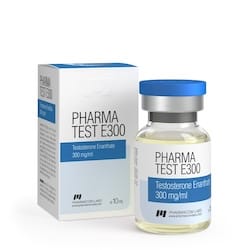
Your dosage protocol for Testosterone Enanthate depends on your specific goals. For medical Testosterone Replacement Therapy (TRT), doses usually fall between 50mg and 400mg every two to four weeks. In contrast, performance enhancement cycles often use much higher weekly doses—frequently between 200mg and 600mg—to maximize muscle protein synthesis and anabolic effects.
Navigating the Dosage Spectrum
Think of your dosage as a dial. If you are turning it to correct a deficiency, you are in the realm of TRT. In this context, the goal is to stabilize hormone levels and bring them into a healthy, physiological range through a steady, controlled approach to wellness.
When athletes step onto the scene, they often turn that dial much higher. These individuals aren’t looking for “normal”; they want “extra.” This is where the 200mg to 600mg weekly range comes into play, creating a significantly different physiological environment that requires careful monitoring.
Your objectives dictate your entire strategy. You shouldn’t treat a medical prescription like a bodybuilding cycle. Mixing these two worlds without professional guidance is like trying to drive a car with a broken speedometer; you have no idea how fast you are actually going.
When sourcing supplies, you might look at options like poseidonrx.com to see how different vendors structure their offerings. Understanding the difference between a therapeutic dose and a performance dose is the first step toward staying safe and effective.
The Importance of Injection Frequency
Testosterone Enanthate is a long-acting ester. It has a built-in “timer” called a half-life, which for this compound is roughly 7 to 10 days. Because it stays in your system so long, you don’t need to inject every single day like you would with a short ester.
However, do not let the long half-life trick you into thinking you can skip weeks at a time. The goal is to keep blood levels steady. If you wait too long between shots, you’ll experience a “rollercoaster effect” characterized by huge spikes followed by deep crashes. This instability can trigger mood swings and unwanted side effects.
Most experienced users find that splitting the weekly dose into two or even three injections provides much smoother results. Spreading the volume out helps you avoid the massive estrogen spikes that often lead to issues like water retention or acne. Consistency is the key here.
As documented by Domestic Supply, the timing of your administration plays a massive role in how your body responds to the ester.
Timing for Muscle Protein Synthesis
Muscle protein synthesis is the process where your body repairs and builds new muscle tissue. When you are running a cycle, you want to create an optimal environment for this process to thrive. This is where the synergy between training and hormones becomes vital.
You want your hormone levels to be at their peak when you are training your hardest. Since Enanthate takes a few weeks to reach a steady state in your blood, you won’t see those “superhuman” strength gains in the first few days. It is a marathon, not a sprint.
Your diet and resistance training must match your hormonal profile. If you increase your dosage but don’t provide the building blocks—adequate protein and calories—you’re just wasting your time and your money. You have to feed the machine you are revving up.
Below is a comparison of how different dosing strategies might look in terms of volume and general cost considerations.
| Protocol Type | Weekly Dosage (mg) | Typical Cycle Length | Est. Monthly Cost |
|---|---|---|---|
| Medical TRT | 50mg – 400mg | Ongoing | $50 – $150 |
| Performance (Low) | 200mg – 300mg | 10 – 12 Weeks | $100 – $250 |
| Performance (High) | 400mg – 600mg | 12 – 16 Weeks | $300 – $500+ |
Pricing and Value for Testosterone 300
Total costs depend heavily on concentration and purchase volume. While 250mg/ml concentrations often have a lower sticker price per vial, 300mg/ml options typically offer better long-term value by reducing the total injection volume needed. When buying in bulk, you can see significant savings, often reducing the cost per milligram by 20% to 30%.
Comparing Concentration and Volume
When you are staring at a price list, it is easy to get distracted by the total number on the tag. However, you need to look at what you are actually getting for your money. A vial of 250mg/ml might look cheaper than a 300mg/ml vial, but that is a classic rookie mistake.
Think of it like buying gasoline. You wouldn’t just look at the total price of the tank; you’d look at the price per gallon. In the world of hormone replacement, the “gallon” is the milligram. If the 300mg/ml option gives you more total hormones for a slightly higher price, it wins every single time.
Using a higher concentration like 300mg/ml also means you are injecting less liquid into your muscle. This is a subtle but vital advantage. Smaller injection volumes can lead to less bruising and a more comfortable experience, making the “value” of the product extend beyond just the financial savings.
The bottom line is to maximize your mg per dollar. I always suggest running the math on your specific weekly dose. If you need 300mg a week, a 300mg/ml concentration makes your math—and your life—much simpler than dealing with messy fractional doses of a weaker liquid.
The Bulk Savings Advantage
If you have the upfront capital, buying in bulk is the smartest move you can make. Most reputable vendors structure their pricing to reward those who commit to longer cycles. Instead of buying one vial at a time, which is a recipe for high shipping costs, you should look at multi-vial packs.
Let’s look at a hypothetical breakdown. If a single vial of 300mg/ml costs $50, but a pack of five costs $225, you are saving $25 instantly. Over a six-month period, those savings can add up to several hundred dollars—money that is better spent on high-quality food or a gym membership.
This approach creates a more stable budget. When you buy in bulk, you aren’t constantly worrying about the next shipment or sudden price hikes. You secure your supply and lock in your cost-to-potency ratio for several months at a time.
However, never prioritize “cheap” over “quality” just to save a few bucks. If a vendor offers a massive bulk discount that seems too good to be true, run the other way. You are paying for purity and accuracy, not just a low price tag. As documented by Empower Pharmacy, the quality of the compounding process is paramount for consistent hormone levels.
| Purchase Type | Est. Price per Vial | Est. Price per mg | Annual Savings |
| Single Vial (300mg/ml) | $55 | $0.18 | $0 |
| 3-Pack Bundle | $150 | $0.16 | $72 |
| Bulk Pack (5+ Vials) | $225 | $0.15 | $135 |
Analyzing Long-Ester Ratios
When you use a long-ester compound like Testosterone Enanthate, you are investing in stability. These esters are designed to release testosterone slowly into your bloodstream over several days. This slow release is why the cost-to-potency ratio is so critical to get right.
Because these esters have a long half-life, you aren’t just paying for the hormone; you are paying for the delivery system. A well-made long-ester compound ensures that you don’t experience those jagged peaks and valleys in your bloodwork. This stability is worth every extra cent of the premium price.
If you use a low-quality product with an inconsistent ester, you might find yourself needing more frequent injections to keep your levels stable. This effectively increases your cost because you are using more “product” to achieve the same physiological result. It is a hidden tax on cheap, poorly made oils.
Always check the “potency per ml” carefully. If a vendor claims a high concentration but the oil is cloudy or contains particulates, the actual potency might be much lower than advertised. You are paying for a specific amount of active ingredient, not just a volume of liquid.
The Hidden Costs of the Routine
The price of the vial is only the beginning of your investment. Many people forget to budget for the ancillary supplies—the items you need to actually use the product. If you don’t account for these, your monthly budget will always be off by $15 to $30.
You need a consistent supply of sterile needles (syringes), alcohol swabs for sanitizing, and perhaps specialized storage solutions. While a box of 100 swabs is cheap, it is a recurring expense. It sounds trivial, but it adds up over time.
- Syringes: Different gauges and lengths for subcutaneous or intramuscular use.
- Alcohol Swabs: Essential for preventing infection at the injection site.
- Sharps Container: A legal and safe way to dispose of used needles.
- Ancillary Support: You may also need bloodwork or specialized supplements.
Build a “kit” rather than just buying a vial. If you buy your syringes and swabs in large packs alongside your testosterone, you can drive down your per-dose cost significantly. Treat your protocol like a professional operation to save money in the long run.
Navigating the Online Buying Process
To navigate the online market safely, you must distinguish between 503A and 503B pharmacies, verify state licensure, and ensure the vendor requires a valid medical consultation. Legitimate suppliers prioritize patient privacy through discreet shipping and maintain strict adherence to FDA-regulated compounding standards to ensure every vial is both safe and potent.
Understanding Compounding Classifications
When you start looking at vendors, you will inevitably stumble upon the terms 503A and 503B. Think of these as two different tiers of professional service. A 503A pharmacy is a traditional compounding pharmacy that works primarily under the direct supervision of a doctor to fulfill specific, patient-specific prescriptions.
On the other hand, a 503B outsourcing facility is a bit of a powerhouse. These entities are designed to produce larger batches of medications that can be distributed to multiple healthcare providers. They undergo much more rigorous inspection processes and address large-scale drug shortages in the medical community.
Knowing the difference helps you judge the scale of operations you are dealing with. While 503A facilities offer a personalized, custom touch for your specific needs, 503B facilities provide the heavy-duty consistency often required by large clinics. Both are vital to the healthcare ecosystem.
The bottom line is to find a provider that operates within these regulatory frameworks. If a website claims to offer high-grade substances but cannot explain its compounding status, keep your wallet in your pocket. You are looking for a partner, not a gamble.
Verifying Supplier Legitimacy
The digital market can be unpredictable. It is incredibly easy for a fly-by-night operation to set up a slick website and disappear once they have your money. You have to be a bit of a detective before you ever click that “buy” button.
First, look for physical evidence of a real business. A legitimate pharmacy will have a verifiable address and a clear way to contact them beyond just a generic contact form. You should also check for state licensure. Every reputable pharmacy must be licensed in the states where they operate and ship products.
You can often verify these credentials through state board of pharmacy websites. If a vendor refuses to provide their license number or makes excuses about their “private” status, that is a massive red flag. Real professionals are proud of their credentials and do not hide them.
Don’t fall for the “too good to be true” trap. If someone is offering a high-potency vial for $10 that normally costs $50, they are likely selling something that hasn’t been tested for purity. It’s better to pay a premium for peace of mind than to pay cheap for a hospital visit.
Privacy and Shipping Standards
When you are managing your own hormone levels, privacy is a top priority. You might not want your neighbor or your mail carrier knowing exactly what is inside a package arriving on your doorstep. This is where professional shipping standards come into play.
A high-quality supplier will use discreet packaging. This means the outer box should be plain, unbranded, and contain no mention of the contents. You should see a generic return address rather than something that screams “hormone replacement therapy.” It is a small detail, but it provides immense peace of mind.
Furthermore, ensure the vendor uses reliable, trackable shipping methods. You don’t want your order lost in a black hole of logistics. Tracking allows you to monitor your shipment’s journey and ensures that you aren’t left guessing when your package will arrive at your door.
If you wonder about the legalities of these transactions, you might find helpful perspectives on medical procurement discussions regarding how prescriptions factor into the process. Always aim for the path that keeps you legally and medically protected.
The Necessity of Medical Consultation
Never attempt to DIY your hormone therapy without a professional guide. Testosterone is a powerful biological tool, and messing with your endocrine system without supervision is dangerous and potentially results in permanent damage.
A legitimate online procurement process should always involve a medical consultation. This isn’t just a formality; it is a safety requirement. A doctor will review your bloodwork, assess your health history, and determine the exact dosage that is safe for your specific physiology.
This consultation ensures you aren’t just “buying a product,” but rather starting a medical protocol. A doctor can monitor your levels to prevent side effects like gynecomastia or excessive red blood cell production. This oversight is the difference between an optimized lifestyle and a health crisis.
If a website tells you that you can skip the doctor entirely to save a few bucks, walk away immediately. They are bypassing the very safeguards designed to keep you safe. True wellness is built on a foundation of science and professional medical oversight, not shortcuts.
Managing Side Effects and Health Risks
To manage side effects effectively, you must proactively monitor estrogen levels to prevent gynecomastia, watch for skin changes like acne, and track cardiovascular markers like cholesterol. Additionally, implementing a post-cycle therapy (PCT) protocol is essential to support natural hormone production and prevent severe endocrine suppression after your cycle concludes.
Controlling Estrogen and Hormonal Shifts
When you introduce exogenous testosterone—meaning synthetic hormone levels that originate outside the body—your system undergoes a complex chemical dance. A common byproduct of this process is aromatization. Aromatization is the biological mechanism where the body converts excess testosterone into estrogen, which can lead to uncomfortable water retention and bloating.
If estrogen levels climb too high, you might face gynecomastia. This term refers to the development of sensitive or enlarged breast tissue in men, a condition that can be difficult and expensive to reverse surgically. It is not just a cosmetic concern; it is a sign that your internal chemistry is out of balance.
To keep this in check, many users look toward aromatase inhibitors (AIs). These are compounds specifically designed to block the enzyme responsible for that conversion. However, do not go overboard; crushing your estrogen levels too low can be just as problematic for your mood and bone health as having them too high.
Regular blood work is your best friend. You cannot guess your way through hormonal management. Relying on “feeling” how you are doing is like driving a car with a painted-over windshield; you might feel fine until you hit a wall.
Addressing Skin and Hair Concerns
The androgenic nature of these substances can turn your skin into an oil slick. Increased sebum production—the natural oil produced by your sebaceous glands—often leads to persistent acne. You might notice breakouts on your face, back, or shoulders that seem impossible to clear with standard over-the-counter washes.
Then there is the matter of hair. If you are genetically predisposed to male pattern baldness, you might notice that your hair thinning accelerates. This happens because high levels of androgens can shrink hair follicles over time. It is a frustrating trade-off for many who are chasing muscle gains.
Managing these issues requires a multi-front approach. A high-quality dermatological routine and some dietary adjustments can help mitigate the severity. It’s about minimizing the collateral damage while you pursue your physical goals.
Cardiovascular and Cholesterol Vigilance
Your heart is the engine that keeps everything running, and it is under significant stress during a cycle. One of the most critical metrics to watch is your lipid profile. This includes your HDL (good cholesterol) and LDL (bad cholesterol) levels, which can shift dramatically during hormone use.
High-intensity training combined with hormonal shifts can sometimes lead to a decrease in HDL, which is not ideal for long-term heart health. According to medical resources, monitoring these levels is vital to prevent long-term cardiovascular complications.
Blood pressure is another silent variable. Water retention, often caused by estrogen spikes, can lead to increased pressure against your artery walls. If you notice your resting heart rate creeping up or frequent headaches, pay immediate attention. It is better to adjust your protocol now than to deal with a crisis later.
Treat your cardiovascular health like a high-performance vehicle. You wouldn’t run a racing engine without checking the oil and coolant, so don’t treat your body any differently. Regular check-ups and a heart-healthy diet are non-negotiable for anyone taking this route.
The Necessity of Post-Cycle Therapy
Once you decide to stop your cycle, you hit a physiological cliff known as suppression. When you provide your body with synthetic testosterone, your natural production shuts down because it thinks it has plenty of supply. This is the “shutdown” phase where your own endocrine system goes dormant.
This is where Post-Cycle Therapy, or PCT, becomes your safety net. PCT involves using specific medications—such as Selective Estrogen Receptor Modulators (SERMs)—to signal your pituitary gland to start producing natural testosterone again. Without this, you risk losing all your hard-earned muscle and feeling like a shell of your former self.
Think of PCT as a “reboot” for your internal hardware. It helps prevent the crash in libido, mood, and energy that typically follows a cycle. Skipping this step is like turning off a computer by pulling the plug rather than using the proper shutdown command; it causes significant system errors.
The timing and dosage of your PCT are just as important as the cycle itself. If you start it too late, your natural levels may be too low to jumpstart. If you start it too early, you might disrupt your hormonal recovery. Professional guidance is the only way to navigate this delicate transition safely.
Comparing Testosterone Esters and Potency
Choosing between esters involves balancing how quickly testosterone enters your bloodstream against how long it stays there. Long-acting esters like enanthate provide stable hormone levels through infrequent injections, whereas short-acting esters like propionate require more frequent dosing but offer faster spikes. Your choice depends on whether you prioritize stability or immediate onset.
Think of an ester as a biological “time-release” mechanism attached to a testosterone molecule. Without it, testosterone would be metabolized by your liver almost instantly. By attaching an ester, you change the speed at which the hormone is released, effectively dictating how often you need to use a needle.
When you choose a long-acting ester, you are essentially opting for a slow burn. This stability is a massive advantage for those who want to avoid the “rollercoaster” effect. When levels spike and then crash, you often experience mood swings or energy dips, which can disrupt training consistency.
The Battle of the Esters
Testosterone Propionate is the sprinter of the group. Because it has a very short half-life, it enters the blood quickly and leaves just as fast. This makes it a favorite for advanced users who want to fine-tune their levels with daily injections, but it is a demanding schedule that most people find difficult to maintain.
On the other hand, Testosterone Enanthate is the marathon runner. It has a much longer half-life, typically around 7 to 10 days. This means the hormone trickles into your system steadily over a week or more. This stability is why many people prefer it for long-term hormone replacement or steady muscle building.
The choice often boils down to your lifestyle and how your body reacts to fluctuations. If you cannot commit to injecting every day, a short ester will likely leave you feeling like you are constantly crashing. For most, the convenience of a once-weekly or twice-weekly schedule is the gold standard.
| Ester Type | Onset Speed | Injection Frequency | Stability Level |
| Propionate | Rapid | Daily | Low |
| Enanthate | Slow | Weekly | High |
Tracking Your Progress and Milestones
Don’t expect a magic wand the moment you take your first dose. Hormonal changes are a slow process, not a sprint. You might feel a slight uptick in drive or energy within the first two weeks, but the real heavy lifting happens once the compound builds up in your tissues.
The 4 to 6 week mark is typically when you see the most results. This is when your blood concentration reaches a steady state and you start seeing tangible changes in strength and muscle fullness. If you aren’t seeing progress by week six, it might be time to look at your nutrition or training intensity.
Patience is your greatest ally. Jumping to higher doses because you don’t see a six-pack in ten days is a recipe for disaster. Let the ester do its job and give your body time to adapt to the new hormonal environment before making any drastic changes.
The Synergy of Diet and Hormones
You can have the highest quality testosterone in the world, but if you aren’t eating enough, you are essentially trying to build a skyscraper without any bricks. Your body requires a significant caloric surplus and adequate protein to turn those hormonal signals into actual muscle tissue.
Healthy fats are also non-negotiable. Since hormones are derived from cholesterol, a diet that is too low in fat can actually hinder your ability to manage these synthetic levels effectively. Think of food as the raw material that your hormones use to build the physique you are chasing.
Your diet is the foundation upon which everything else is built. If your nutrition is a mess, your results will be too. Pair your chosen ester with a structured meal plan, and you’ll find that the results come much more naturally and predictably.
Shipping and Delivery Logistics in the USA
Domestic shipping across the United States typically follows a standard timeline of 3 to 7 business days depending on your specific location. Most pharmacies provide tracking numbers via email immediately after dispatch, allowing you to monitor your package from the facility to your doorstep. To ensure stability, sensitive injectables are shipped in specialized, temperature-controlled packaging to prevent degradation during transit.
Getting your order to your door is a precision operation. When you place an order, the pharmacy prepares your medication with care, often using discreet, unbranded packaging to protect your privacy. Once the courier picks up the parcel, you’ll receive a notification containing your tracking number, which is your lifeline for monitoring the package’s journey.
You shouldn’t have to sit around wondering where your supplies are. Most reputable providers use major carriers to ensure reliability. If you live in a major metropolitan area, you might see it arrive sooner, but always account for potential weather delays or high-volume holiday seasons that can slow down the process.
If your package hasn’t arrived within the promised window, don’t panic yet. Sometimes a small delay at a sorting facility is all it takes to push a delivery back a day or two. Check your tracking link first to see if there is a “held for delivery” notice or a specific carrier update.
Managing Temperature and Integrity
Since we are dealing with injectable hormones like testosterone enanthate, temperature control is a non-negotiable part of the logistics chain. These liquids are sensitive to extreme heat and freezing temperatures. If they sit in a hot delivery truck for too long, the chemical stability of the ester can be compromised, potentially making the medication less effective.
To combat this, many pharmacies use insulated shipping containers or gel packs to maintain a steady environment. When your box arrives, check the integrity of the seal immediately. If you notice any signs of leakage or if the vial feels unusually warm to the touch, set it aside and contact the pharmacy before using the product.
Inspect your shipment the moment it hits your porch. A tiny crack in a vial might not be obvious at first glance, but it can lead to contamination. Always store your medication in a cool, dry place as directed by the manufacturer to keep the potency exactly where it needs to be.
Avoid leaving your packages on a sunny doorstep all afternoon. If you know a delivery is coming, try to have someone there to bring it inside immediately. Keeping your hormones away from direct sunlight and extreme temperature swings is the best way to ensure you’re getting what you paid for.
Troubleshooting Delivery Issues
Accidents happen, and sometimes a package arrives in less-than-ideal condition. If your shipment arrives crushed or the liquid inside looks cloudy or contains visible particles, do not use it. This could indicate that the product was compromised during transit, and your safety is much more important than the cost of a single vial.
If the package is damaged, take clear photos of the box and the contents before you throw anything away. These photos are your primary evidence when filing a claim or requesting a replacement. Most professional pharmacies are quite reasonable about reshipping damaged goods, provided you can prove the issue occurred during the shipping process.
Documentation is your best friend. If the tracking shows “delivered” but you don’t see anything, check with neighbors or around side doors first. If it’s truly lost, reach out to the pharmacy’s support team immediately. They can often initiate a trace with the carrier to find out exactly where your order went.
| Issue | Immediate Action | Likely Outcome |
| Late Shipment | Check tracking status | Wait 48 hours for updates |
| Damaged Vial | Take photos of damage | Request replacement |
| Lost Package | Contact pharmacy/carrier | Investigation or refund |
- anabolic steroids
- test 500
- test e 300
- testosterone cypionate
- testosterone enanthate
- testosterone injections
- testosterone propionate
- testosterone undecanoate
- tren
- tren ace
- tren e 200
- trenbolone acetate 100mg
- trenbolone enanthate
- tri tren
- t3
- anapolon
- anavar
- arimidex
- boldenone
- cabergoline for bodybuilding
- clenbuterol
- clomid pct
- cutting stack
- deca steroid
- dianabol pills
- equipoise 300
- hcg 5000 iu
- hcg 10000 iu
- human growth hormone
- masteron
- oxandrolone 10mg
- parabolan 100
- primo steroid
- proviron
- sermorelin injections
- somatropin
- stanozolol
- sustanon
- turinabol