
Buy HCG 5000 IU Online: Best Prices and Fast Shipping
Understanding the HCG 5000 IU Market
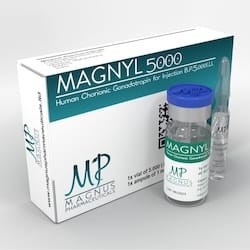
Buying HCG 5000 IU requires distinguishing between lyophilized powders for laboratory research and clinical-grade injections. High-quality research materials should meet a 99% purity standard and undergo HPLC testing to confirm potency. For those looking for value, a $28.99 per vial kit is often much more cost-effective than expensive bulk or clinical alternatives.
Powders vs. Injections
When browsing suppliers, you will see a major difference in packaging. “Lyophilized” powder refers to a freeze-dried state. This process removes moisture to keep the protein stable, making it the preferred choice for long-term storage in a lab setting.
Clinical injections arrive pre-mixed in a liquid state. While they are convenient, they have shorter shelf lives and require strict temperature control. For researchers, powder is the standard because it allows for precise reconstitution and remains stable during shipping.
Think of it like coffee. You can buy a pre-made latte that is ready to drink immediately, or you can buy high-quality coffee beans. The beans stay fresh longer and give you total control over the strength. In peptide research, that control is essential.
Suppliers like poseidonrx.com often focus on these stable, research-grade powders. This ensures biological activity remains intact from the moment it leaves the facility until it reaches the researcher’s bench.
The Importance of Purity
In the research community, “good enough” is not sufficient. You should look for a 99% purity standard; anything less is a risk to your data. If a batch is contaminated, it can trigger unintended biological responses that ruin an entire experiment.
This is why HPLC testing is necessary. HPLC stands for High-Performance Liquid Chromatography, a method used to separate, identify, and quantify every component in a mixture. It is a definitive tool for verifying chemical makeup. Without a Certificate of Analysis (COA), you are essentially flying blind.
A COA is a document proving exactly what is inside the vial, acting as a receipt for purity and potency. According to SwissChems reports, providing these independent test results is the only way to build real trust with the scientific community.
Do not settle for a vendor that refuses to show their lab work. If they cannot provide a recent HPLC report, look elsewhere. Real quality is documented, not just promised on a website label.
Analyzing Value and Pricing}
Price shopping can be difficult when one site lists a kit for $28.99 and another charges a premium. You must look at the cost-per-unit rather than just the sticker price. A cheaper vial might seem like a win until you realize it only contains half the potency of a standard unit.
It is often better to look at the total quantity provided in a kit versus individual vials. Buying a 10-vial kit can drop your price per vial significantly. This “bulk discount” logic applies to high-end laboratory reagents, saving you money and reducing shipment frequency.
Check the details carefully. Some vendors offer “bulk” options that are actually several small vials bundled together. Know exactly what you are getting before you check out. Use this comparison to weigh your budget against your research needs.
Here is a breakdown of common purchasing structures in the current market:
| Purchase Option | Quantity/Format | Typical Price |
|---|---|---|
| Single Vial Trial | 1 Vial (5000 IU) | $35.00 |
| Starter Kit | 10 Vials (5000 IU) | $28.99 per vial |
| Bulk Research Pack | 50 Vials (5000 IU) | $22.50 per vial |
| Laboratory Bundle | 100 Vials (5000 IU) | $18.00 per vial |
Laboratory Application and Biological Mechanisms
Human chorionic gonadotropin (hCG) is a glycoprotein that mimics luteinizing hormone (LH) to drive steroidogenesis. Its β-subunit structure allows it to bind with high affinity to the LHCGR receptor, triggering an intracellular signaling cascade. This mechanism facilitates sustained stimulation of Leydig cells, making it a tool for studying continuous hormone signaling in preclinical models.
The molecular architecture is central to its function. hCG is a heterodimeric glycoprotein composed of two different subunits. While the α-subunit is shared with FSH and TSH, the specific β-subunit performs the primary work in a research setting.
This subunit is heavily sialylated, meaning sialic acid molecules are attached to the protein. This modification acts as a biological shield, protecting the hormone from rapid degradation. Consequently, hCG stays active in the plasma much longer than natural LH, which is typically cleared within minutes.
This allows researchers to observe long-term biological effects without the constant fluctuations seen with other hormones. While LH provides a quick, pulsatile signal, hCG offers a steady, sustained presence. It is the “marathon runner” of the gonadotropin family, ideal for studying chronic receptor engagement.
The Signaling Cascade and Cellular Response
Once hCG finds its target, it engages the Luteinizing Hormone/Chorionic Gonadotropin Receptor (LHCGR). If the receptor is the lock, the hCG molecule is the key. This engagement sets off a complex internal alarm system within the cell.
Activation of the receptor triggers the Gsα-coupled adenylyl cyclase. This enzyme drives the accumulation of cyclic adenosine monophosphate (cAMP). As a secondary messenger, cAMP carries the signal from the cell’s surface deep into the interior to direct cellular activity.
As cAMP levels rise, it activates Protein Kinase A (PKA). This enzyme performs phosphorylation on various downstream targets, acting like a foreman directing cellular machinery to build the proteins needed for hormone production.
This sequence—from receptor binding to PKA activation—drives steroid production. In a lab setting, monitoring these cAMP spikes allows researchers to quantify how sensitive a cell line is to specific doses.
Leydig Cell Dynamics and Enzyme Induction
In male-focused research, the primary target is the Leydig cell in the testes. These cells are the main engines of testosterone production. By using hCG, scientists can study how these cells respond to varying levels of stimulation, providing insight into reproductive health and endocrine function.
A critical part of this response is the induction of specific cytochrome P450 (CYP) enzymes. These enzymes act as catalysts that transform cholesterol into testosterone precursors. Researchers specifically look for the upregulation of enzymes like CYP11A1, CYP17A1, and 3β-HSD.
When signaling works, you will see a significant increase in these enzyme levels. This process, called enzyme induction, is the actual engine of steroidogenesis. It turns a chemical signal into a wave of hormone production within the cellular environment.
Understanding these kinetics is vital for developing treatments for hypogonadism or infertility. By studying how quickly these enzymes appear and how long they remain active, researchers can better predict how a substance will behave in a living organism. This is a foundational step in moving from a petri dish to clinical reality.
Preclinical Steroidogenesis Models
Scientists often use steroidogenesis models to simulate how the body handles hormonal shifts. These models can be cell-based or animal-based, aiming to replicate the complex feedback loops of the endocrine system.
One important factor in these models is receptor desensitization. If a receptor receives a massive, constant signal—like the sustained presence of hCG—it might eventually “tune out” or internalize. This is a protective mechanism of the cell that can complicate research if not accounted for.
Researchers also study receptor internalization, where the cell pulls the receptor inside itself to stop the signal. This is a critical piece of the puzzle when studying long-term hormone replacement or experimental therapies. You must determine if the signal is being sustained or if the cell is “closing its doors.”
These models are highly nuanced. As documented by PremiumRxDrugs, the ability to mimic natural hormonal surges or sustained levels allows for highly controlled experiments. This precision helps bridge the gap between basic biology and advanced medical applications.
When setting up research parameters, keep these variables in mind. Your dosing, the timing of measurements, and the specific enzyme markers you track will dictate the quality of your data. In peptide research, the details are everything.
Reconstitution and Research Protocols
To properly prepare lyophilized HCG 5000 IU, use bacteriostatic water (BAC water) as your solvent. Gently swirl the vial instead of shaking it. This method prevents protein denaturation and ensures the peptide remains stable and biologically active for laboratory experiments.
The Rule of Reconstitution
When you open a vial, you are managing a delicate biological structure. HCG arrives as a freeze-dried lyophilised preparation, which is a stable, powdered form of the protein. To bring it back to a liquid state, you need the right tools.
Always use bacteriostatic water (BAC water) rather than plain distilled or tap water. BAC water contains about 0.9% benzyl alcohol to inhibit microbial growth. This is vital because the risk of contamination increases the moment you introduce a needle into the vial.
Avoid the urge to “shake up” the vial to dissolve the powder quickly. Shaking or vortexing can be catastrophic for complex proteins like HCG because the shear stress can physically tear the peptide chains apart.
Instead, aim the stream of BAC water against the side of the glass vial, letting it trickle down slowly. Once the powder is wetted, gently swirl the vial between your palms. If stubborn white specks remain, give it more time. Patience is necessary in the lab.
Storage and Stability Management
Once you have reconstituted the solution, the clock starts ticking. While the dry, lyophilized powder might have a 36-month shelf life, the liquid version is much more sensitive. Do not leave it on a warm lab bench; it will lose potency.
Temperature is critical. You should store reconstituted HCG at 4°C (refrigeration temperature) to maintain structural integrity. Heat can cause the molecular structure to unfold, rendering your research results invalid. Keep it away from extreme temperature swings.
Plan your research sessions carefully. Even with refrigeration, the stability window—the period during which the liquid remains fully potent—is limited. Many researchers find that using the solution within a few weeks is safest to ensure maximum efficacy in their models.
If you have excess liquid that won’t be used immediately, remember that peptide stability is time-sensitive. According to ReliableRxPharmacy, maintaining the cold chain is a cornerstone of handling biologicals. Keeping things cold is the best way to protect your data.
| State of HCG | Storage Condition | Estimated Stability |
| Lyophilized (Powder) | Room Temp / Cool, Dry Place | Up to 36 Months |
| Reconstituted (Liquid) | Refrigerated (4°C) | Variable (Weeks) |
Logistics, Shipping, and Secure Procurement
Procuring HCG 5000 IU requires understanding shipping zones and payment protocols. Domestic US orders often qualify for free shipping at the $100 threshold, while international orders require a $300 minimum to waive fees. For privacy, many users utilize cryptocurrency or digital wallets during the transaction.
Shipping Zones and Costs
When planning your research supply chain, consider how far your packages can travel. Shipping involves a logistical balance between domestic speed and international reach. If you are in the United States, transit times are generally fast, especially if you order early in the day.
There is a mathematical trade-off to consider. Small orders may incur a shipping charge at checkout, but domestic orders hitting the $100 mark qualify for free shipping. This is an easy way to stretch a research budget.
International logistics are more complex, involving customs protocols and longer transit windows. To make the journey cost-effective, look for the $300 benchmark. Reaching this amount triggers free international shipping, saving significant money on high-volume laboratory supplies.
Plan your bulk purchases carefully. Instead of placing several small, expensive-to-ship orders, consolidate your needs. This strategy maximizes savings and prevents constant waiting for mail to arrive to keep experiments running.
Securing Your Transaction
Digital privacy is essential for secure procurement. When browsing for specialized research materials, you want to ensure your financial details remain private. The method of payment you choose matters.
Standard credit or debit cards are common but offer less anonymity. For a more discreet approach, many researchers turn to cryptocurrency. Using decentralized digital currencies allows you to bypass traditional banking hurdles and provides a high level of encryption.
Digital wallets offer a middle ground between ease of use and security. These tools act as secure intermediaries, shielding sensitive data. Whether you choose the anonymity of crypto or the convenience of a wallet, ensure the platform uses 256-bit encryption.
If you are unsure about a vendor’s legitimacy, look for third-party verification. For example, The HRT Club provides detailed information on specialized injection kits that can be used alongside HCG research materials.
Returns and Unopened Materials
Sometimes a shipment does not go as planned, such as ordering the wrong concentration. In these cases, you must know the rules regarding returns to avoid wasting funds on unused vials.
Most reputable suppliers offer a 30-day window for returns, but the product must be unopened. Once the seal is broken or the packaging is compromised, the item is no longer eligible for a refund. This policy ensures all returned materials remain pristine and untampered with.
This is a “clean break” policy. If there is a mistake, you must act fast. You cannot wait months and then expect a refund. Check your order immediately upon arrival to ensure it matches your laboratory requirements before breaking any seals.
Thoroughness is your best defense. Inspect your shipment the moment it arrives. If the contents are not what you expected, initiate the return process within that 30-day window to protect your investment.
Critical Safety and Compliance Standards
The legalities of HCG require understanding that most online supplies are strictly for laboratory research. While these materials are vital for scientific study, they are not intended for human consumption. Always distinguish between research-grade chemicals and pharmaceutical products to stay within legal and safety boundaries.
The line between a scientific tool and a medical treatment is thin. When a vial is labeled for “research use only,” it means the substance has not been approved by regulatory bodies for clinical application. This distinction is a fundamental safeguard for public health.
This places significant responsibility on how you handle these materials. Using research chemicals in a biological setting can lead to unpredictable outcomes. If you need medical guidance, consult a licensed physician rather than relying on laboratory supplies meant for a petri dish.
The law views “research use” and “human consumption” as two different worlds. Misusing a research chemical can lead to legal repercussions and severe health complications. Always respect the labeling to keep your experiments and yourself on the right side of the law.
Regulatory Oversight and Weight Loss Myths
The FDA maintains a firm stance on claims made by supplement and peptide vendors. Specifically, they have issued warnings regarding unsubstantiated weight loss claims. It is a misconception that HCG is a magic bullet for losing weight without effort.
Many vendors market HCG as a primary driver for fat loss, but medical consensus suggests otherwise. Scientific evidence indicates that weight loss typically results from the caloric deficit itself, not the hormone. As noted by medical specialists, the hormone is often a bystander in the metabolic process of losing weight.
Be wary of any product promising rapid transformation without dietary changes. If a vendor claims HCG will melt fat while you eat whatever you want, they are likely misrepresenting the truth. These claims are often red flags for fraudulent marketing.
Staying informed helps you avoid “snake oil” traps. When a product’s marketing sounds too good to be true, it almost certainly is. Stick to the science and ignore hype-driven sales pitches that promise miracles through unverified hormonal manipulation.
The Dangers of Extreme Dietary Restrictions
People pursuing HCG-related protocols often fall into the trap of Very Low-Calorie Diets (VLCDs). These involve consuming significantly fewer calories than the body needs to function. While weight might drop quickly, the biological cost can be dangerous.
A VLCD can trigger several physiological stressors, including:
- Severe electrolyte imbalances affecting heart rhythm.
- Gallstone formation due to rapid weight loss.
- Significant loss of lean muscle mass rather than fat.
- Nutritional deficiencies leading to hair loss and fatigue.
The body requires fuel to maintain vital organ functions. When you starve it, you essentially pull the emergency brake on your metabolism. This can lead to a “rebound effect,” where you regain more weight than you originally lost once you return to normal eating habits.
If you are considering an extreme caloric deficit, please pause. The goal should be sustainable health, not just a lower number on the scale. A balanced approach to nutrition is safer and more effective in the long run than any extreme, short-term fix.
Verifying Product Purity and Authenticity
In high-grade peptide research, “trust me” is not a valid quality control measure. You should never take a vendor’s word for the concentration or purity of their HCG. Instead, look for tangible, third-party evidence.
The gold standard for verification is the Certificate of Analysis (COA). A reputable supplier will provide these documents, showing results from an independent laboratory. This ensures the product hasn’t been diluted or contaminated with inferior substances during manufacturing.
When evaluating a vendor, look for these specific indicators of quality:
| Test Method | What it proves |
| HPLC (High-Performance Liquid Chromatography) | Confirms chemical purity and exact concentration. |
| Third-Party Lab | Ensures the test was not done by the company itself. |
| Batch Consistency | Proves every vial in a shipment is identical. |
Your research depends on the integrity of your materials. If a vendor refuses to provide independent lab reports or makes vague “guaranteed purity” claims without proof, look elsewhere. Protecting your investment means demanding transparency and documented scientific verification every time.
- anabolic steroids
- test 500
- test e 300
- testosterone cypionate
- testosterone enanthate
- testosterone injections
- testosterone propionate
- testosterone undecanoate
- tren
- tren ace
- tren e 200
- trenbolone acetate 100mg
- trenbolone enanthate
- tri tren
- t3
- anapolon
- anavar
- arimidex
- boldenone
- cabergoline for bodybuilding
- clenbuterol
- clomid pct
- cutting stack
- deca steroid
- dianabol pills
- equipoise 300
- hcg 5000 iu
- hcg 10000 iu
- human growth hormone
- masteron
- oxandrolone 10mg
- parabolan 100
- primo steroid
- proviron
- sermorelin injections
- somatropin
- stanozolol
- sustanon
- turinabol