
Buy Ventolin Inhaler Online: Order Albuterol Fast and Save
Comparing Ventolin and Generic Albuterol Inhalers
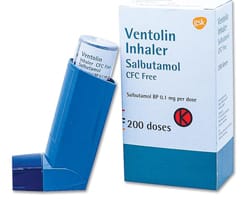
When you find yourself gasping for air during a sudden asthma flare-up, you don’t want to be caught debating pharmaceutical branding. You need relief, and you need it fast. This is where the distinction between Ventolin and generic albuterol comes into play. While the names on the boxes might look different, the science inside remains remarkably consistent for most patients.
At the heart of both options is the active ingredient, albuterol—known as salbutamol in several other parts of the world. This medication acts as a short-acting β₂-adrenergic receptor agonist. In plain English, it’s a specialized worker that rushes to your lungs to relax the smooth muscles around your airways, helping those narrow passages open up wide again.
It is essentially a “rescue” mechanism. Rather than managing your condition over the long haul, albuterol is designed to jump into action when your chest feels tight or your breath begins to wheeze. Whether you grab the brand-name Ventolin or a generic alternative, the biological goal is exactly the same: immediate bronchodilation to restore ease of breathing.
Clinical Equivalence and Standards
You might wonder if choosing the cheaper option is a gamble with your health. Generally speaking, the answer is no. Generic albuterol inhalers must meet rigorous safety, quality, and effectiveness standards to be approved by regulatory bodies. They are designed to be bioequivalent to the brand-name Ventolin, meaning they deliver the same amount of medicine to your bloodstream.
Think of it like buying store-brand milk versus a premium name brand. While the packaging and price tag differ, the essential nutritional content is virtually identical. For most people, the transition from Ventolin to a generic version is seamless, providing the same rapid relief during an acute episode without the “brand name” markup.
However, it is not a one-size-fits-all rule for every individual. While the active chemical is the same, the inactive ingredients—the “excipients” like dyes, flavors, or stabilizers—can vary slightly between manufacturers. These subtle differences are why some people occasionally report a slight change in how the inhaler feels or tastes.
If you have a history of sensitivities or allergies to specific food dyes or inactive ingredients, it is worth being a bit more discerning. For the average user, the clinical performance of generic albuterol is a mirror image of the brand-name counterpart, ensuring you get the relief you need without breaking the bank.
The Cost-Benefit Analysis of Generics
For many patients, asthma management is a marathon, not a sprint. When you are managing a chronic condition, the cumulative cost of medication can start to feel like a heavy weight on your monthly budget. This is where the financial benefits of generic alternatives become incredibly clear and hard to ignore.
Choosing generic can significantly lower your out-of-pocket expenses, especially if you are paying for prescriptions without comprehensive insurance coverage. By opting for the generic, you can often secure a much higher quantity of doses for a fraction of the price of Ventolin HFA. This can be a lifesaver for those who need to keep a backup inhaler in their car or bag.
Below is a comparison showing how much you might save when purchasing larger quantities of albuterol through different options. Prices are based on recent market data for various dose counts:
| Quantity/Type | Brand-Name Est. Price | Generic Est. Price | Estimated Savings |
| 200 Doses | $54.00 | $23.00 | $31.00 |
| 600 Doses | $89.00 | $40.00 | $49.00 |
| 1200 Doses | $178.00 | $64.00 | $114.00 |
| 1800 Doses | $267.00 | $88.00 | $179.00 |
For more specific details on availability and pricing for different formats, you can visit this resource to compare current options.
When to Consult Your Healthcare Provider
While generics are a fantastic way to save money, you shouldn’t make the switch entirely on your own without a quick chat with a professional. Your doctor knows your specific respiratory history and any underlying sensitivities you might have. It is always better to be safe than sorry when your breathing is on the line.
You should specifically talk to your physician if you notice any of the following “red flags” after switching to a generic version:
- The inhaler feels like it is delivering less medicine than the brand-name version.
- You experience a new or unusual side effect, such as increased jitters or palpitations.
- The physical sensation of the spray or mist feels different or causes throat irritation.
- You find yourself needing to use your rescue inhaler more frequently than usual.
If you are using a telehealth service to manage your prescriptions, simply ask, “Is a generic albuterol inhaler an acceptable substitute for my current prescription?” Most providers will be happy to accommodate this request to help you save money. Just remember, if your symptoms ever worsen, don’t just blame the brand—call your doctor immediately.
Current Market Pricing for Albuterol Inhalers
Navigating the pharmacy aisle can feel like trying to read a map in a storm, especially when you are looking at the price tags for respiratory relief. The gap between brand-name options and generic alternatives is often wide enough to drive a truck through, leaving many patients wondering if they are paying for medicine or just a fancy logo.
Understanding the landscape of albuterol pricing helps you make informed decisions that protect both your lungs and your wallet. Whether you are picking up a single rescue unit or stocking up for the year, knowing the numbers beforehand prevents any unpleasant surprises at the checkout counter.
When we look at the current market, the pricing structures for Ventolin HFA and its generic counterparts can vary significantly. We have broken down the essential figures to help you see exactly where your money goes when you shop for these vital tools.
Ventolin HFA vs. Generic Price Breakdown
Ventolin HFA is the gold standard that many doctors reach for by habit, but that familiarity comes with a premium. It is a brand-name product that offers a high level of trust, but the cost reflects that prestige. For many, this is the “name brand” choice that ensures a consistent experience every single time.
On the other side of the aisle, generic albuterol inhalers offer a way to breathe easier without the heavy financial burden. These generics are the workhorses of the pharmacy, providing the same active medicine to relax your airways. They are often the preferred choice for those managing long-term conditions on a budget.
To give you a clear picture, we have analyzed the estimated costs for different quantities. You will notice that while the brand-name version starts at a higher entry point, the savings with generics grow as you buy in larger volumes. It is a classic case of “the more you get, the less you pay” per dose.
The data below illustrates how the per-unit cost drops as you move away from small, single purchases and toward larger, bulk quantities:
| Quantity/Type | Brand-Name Est. Price | Generic Est. Price | Estimated Savings | |
| 200 Doses | $54.00 | $23.00 | $31.00 | |
| 600 Doses | $89.00 | $40.00 | $49.00 | |
| 1200 Doses | $178.00 | $64.00 | $114.00 | |
| 1800 Doses | $267.00 | $88.00 | $179.00 |
If you are looking for the most cost-effective way to secure your supply, you can find more details on Ventolin HFA Inhaler pricing and availability here.
Bulk Savings and Per-Unit Analysis
If you look closely at the numbers, a clear pattern emerges regarding how you purchase your medication. Buying in bulk is not just a suggestion; it is a strategy for anyone who uses their rescue inhaler frequently. The per-unit cost for generic albuterol can drop as low as $0.05 per dose when you buy in large quantities.
Compare that to the brand-name unit price, which can hover around $0.27 per dose for smaller amounts. That might not seem like a huge difference at first glance, but over a year of managing asthma, those pennies turn into significant dollars. It is the difference between a small monthly expense and a manageable one.
Many patients find that purchasing 1200 or 1800 doses at once is a game-changer for their household budget. It provides a sense of security, knowing that you have plenty of medicine on hand for emergencies without having to make frequent, expensive trips to the pharmacy.
However, always remember to check the expiration dates before committing to a massive stockpile. Buying in bulk is a smart move, but only if you can use the medication before it loses its potency. Always keep your eyes on that dose counter to ensure you never run dry.
Factors Influencing Regional Price Variations
You might notice that the price you see online doesn’t always match the price you see at your local corner pharmacy. This isn’t a conspiracy; it is simply how the market works. Prices are influenced by several moving parts that can shift from one zip code to the next.
Geography plays a massive role in what you ultimately pay. Shipping costs, local taxes, and even the specific distribution networks in your region can cause prices to fluctuate. What is considered a “bargain” in one state might be the standard rate in another, making it vital to shop around.
Insurance coverage is perhaps the biggest wild card in the equation. A person with a high-deductible plan might pay much more out-of-pocket than someone with a robust, employer-sponsored plan. Your specific pharmacy benefit manager (PBM) acts as the gatekeeper, deciding what you pay and what the insurance covers.
Lastly, the availability of generic manufacturers can drive prices up or down. If a specific generic manufacturer faces a supply chain hiccup, the price for the remaining stock often climbs. Staying informed and using various resources is the best way to navigate these unpredictable market waters.
How to Purchase Your Prescription Online
Navigating the digital healthcare landscape can feel like walking through a maze without a map. However, securing your respiratory medication through a telehealth platform is often smoother than a stroll in the park. The process generally begins with a virtual consultation, where you meet with a licensed provider to discuss your breathing needs and medical history.
During this session, you won’t be sitting in a sterile waiting room. Instead, you’ll chat via video or phone from the comfort of your own sofa. Be ready to mention how often you experience wheezing or shortness of breath. This honest dialogue ensures the provider makes a safe and informed clinical decision regarding your care.
Once the provider confirms that an albuterol prescription is appropriate for your specific condition, the real magic happens. They won’t hand you a slip of paper to carry to a local shop. Instead, your prescription is sent electronically, bridging the gap between your screen and the pharmacy’s doorstep in just a few clicks.
The Essentials of Medical Profiles and Prescriptions
You cannot simply add a rescue inhaler to a digital shopping cart like a box of cereal. A valid, legally binding prescription is the golden ticket for this transaction. This requirement exists because albuterol is a regulated medication that requires professional oversight to ensure it is used safely and effectively.
Before an order is finalized, you must complete a comprehensive health profile. This isn’t just a formality; it is a vital safety check. The platform will ask about your cardiovascular health, any existing heart conditions, and other medications you might be taking to avoid any nasty drug interactions.
If you have been diagnosed with asthma or COPD previously, having your old inhaler label handy is a lifesaver. Providing specific details about your triggers and how often you use your current medicine helps the clinician paint a complete picture. This thoroughness is what keeps the digital healthcare experience both safe and reliable.
Keep in mind that telehealth is not a magic wand for every situation. If you are experiencing a severe emergency, such as a sudden, terrifying inability to breathe, skip the online forms and head straight to an emergency room. Digital platforms are for management and refills, not for acute, life-threatening crises.
Pharmacy Fulfillment and Logistics
Once your prescription is cleared, the online pharmacy takes the baton. These specialized facilities act as the engine of the entire process. They verify the order, package your medication securely, and prepare it for the long journey to your front door. They ensure the product is stored at the correct temperature to maintain potency.
The transition from a digital order to a physical package involves several moving parts. Most reputable pharmacies will require a final verification step. You might receive a call or email to confirm your shipping details and ensure that everything is perfectly aligned before they seal the box and send it on its way.
When it comes to getting your supplies, patience is a virtue. Standard delivery times typically fall within a window of 8 to 14 business days. While it might feel like an eternity when you are running low, this timeline allows for the careful processing and secure shipping required for medical goods.
If you find yourself in a bit of a pinch, many services do offer express delivery options. While these usually come with an extra fee, they can be a total lifesaver if you are staring at an empty inhaler. Always check the specific shipping terms on the platform to see if you can speed up the process.
For more information on specific product details, you can visit Ventolin to see how the ordering process integrates with your healthcare needs.
Safe Administration and Dosage Guidelines
Using a rescue inhaler is a bit like having a spare tire in your trunk; you hope you never need it, but when a flat occurs, you need it to work perfectly. Ventolin is designed for rapid action, acting as a “lifesaver” during sudden respiratory distress. Because it works so quickly to open up the airways, it is categorized as a rescue medication.
For most adults and children over the age of four, the standard approach for acute bronchospasm is taking 2 puffs every 4 to 6 hours. Some people find that a single puff is enough to do the trick, but you must strictly follow the specific rhythm your doctor has laid out. If you find yourself reaching for that inhaler more than twice a week, it is a major red flag.
Relying too heavily on your rescue inhaler is a sign that your underlying asthma or COPD might be slipping through your fingers. If your symptoms are frequent or if you are waking up at night gasping for air, don’t just buy more inhalers. Instead, call your healthcare provider to discuss whether your long-term controller medication needs an adjustment to keep you stable.
Preventative Measures for Activity
For many, exercise is a joy, but for others, it can trigger a sudden tightness in the chest. If you suffer from exercise-induced bronchospasm, you can actually use Ventolin as a preemptive strike. It is not about waiting for the wheeze to start; it is about setting the stage for clear breathing before you even break a sweat.
The recommended protocol for preventing activity-related triggers is to take 2 puffs approximately 15 to 30 minutes before you begin your workout. This window allows the medication to reach the smooth muscles of your bronchioles and begin the relaxation process. It is much easier to keep the airways open than to try and force them open once they have already constricted.
Think of it as a warm-up for your lungs. Just as you wouldn’t sprint without stretching your muscles, you shouldn’t push your respiratory system into heavy exertion without ensuring your airways are prepared. If you find that the 2-puff method isn’t preventing your symptoms during exercise, your doctor will need to reassess your overall management plan.
Mastering Inhaler Technique and Spacers
It sounds simple, but many people miss the mark when it comes to actually getting the medicine into their lungs. If you just spray and pray, most of the medication ends up coating your tongue or the back of your throat. To get the most bang for your buck, you must master the “inhale-actuate-hold” sequence with precision.
First, remove the cap and give the inhaler a good shake to mix the ingredients. Exhale completely away from the mouthpiece so your lungs are empty and ready for the dose. Place the mouthpiece between your lips, create a tight seal, and as you take a deep, steady breath, press the canister. Once the medicine is in, hold your breath for about 10 seconds to let it settle deep within the lung tissue.
If you struggle with the coordination of pressing the canister while breathing in, or if you are treating a child, a spacer is your best friend. A spacer is a simple device that holds the medication in a chamber, allowing you to breathe it in more easily without needing perfect timing. It significantly increases the amount of medicine that actually reaches your lower airways.
For more detailed information on proper usage and safety, you can refer to the official documentation at Ventolin.
Storage and Maintenance for Potency
Even the most expensive medication is useless if it has lost its strength due to poor storage. You should never leave your inhaler in a hot car or a freezing backpack; extreme temperatures are the enemy of chemical stability. Ideally, keep your inhaler at room temperature in a dry place, away from direct sunlight or intense heat sources.
You should also keep a very close eye on the dose counter. It is easy to lose track of how many puffs you have left when you are in the middle of a breathing crisis, but a sudden realization that the inhaler is empty is a terrifying prospect. Once the counter hits “000,” the device is officially empty and must be discarded immediately.
Regular cleaning is also essential to prevent the mouthpiece from becoming a clogged mess. A quick weekly rinse of the actuator—making sure no water gets inside the canister itself—can prevent buildup. If you notice any discoloration or if the spray feels inconsistent, it might be time to check your expiration date or consult your pharmacist.
| Item Description | Estimated Cost (USD) |
| Ventolin Inhaler (Generic Albuterol) | From $22.49 |
| Albuterol Tablets (2mg/4mg) | From $0.50 per tablet |
Managing Side Effects and Safety Risks
Common Side Effects and Physical Sensations
Even though Ventolin is a lifesaver for many, it isn’t without its quirks. Once the medication hits your system, you might notice a certain “jitteriness” that feels a bit like you’ve had one too many espressos. This shakiness, known medically as a tremor, is quite common and usually settles down once the drug wears off.
You might also feel your heart taking a sudden detour, racing or thumping against your ribs in what feels like a palpitation. While these sensations can be startling, they are often a direct result of the medicine working to relax your airways. It is a bit like a double-edged sword: the very thing opening your lungs is also revving up your nervous system.
Other users report mild headaches or a scratchy, irritated throat after inhaling. If you experience these, it is usually a sign to monitor your usage closely. Most of these effects are temporary, but if they start feeling heavy or persistent, it is time to have a chat with your doctor about your dosage or alternative options.
It is important to remember that while these side effects are common, they shouldn’t be ignored if they become overwhelming. Keeping a simple log of how you feel after using your inhaler can be incredibly helpful. This data acts as a roadmap for your physician, helping them determine if your current management plan is truly serving your needs.
Serious Warnings and Paradoxical Reactions
While we often think of medicine as a cure, sometimes it can act in ways that seem completely backwards. This is known as a paradoxical bronchospasm. It is a rare but serious event where, instead of opening your airways, the inhaler actually causes them to tighten further. It is a frightening experience that requires immediate action.
If you find that your breathing is getting significantly worse immediately after taking a puff, stop using the inhaler right away. This is not a time to “wait and see” or try another dose. This reaction is a major red flag that your lungs are responding poorly to the medication, and you must seek medical help immediately.
Furthermore, because albuterol interacts with your cardiovascular system, those with underlying heart conditions need to tread carefully. It can potentially impact blood pressure or trigger arrhythmias in sensitive individuals. Always be transparent with your healthcare provider about your heart health, especially if you find yourself needing your rescue inhaler more often than usual.
Transitioning from Rescue to Controller Therapy
A common mistake is treating a rescue inhaler like a daily vitamin. Ventolin is a “fire extinguisher”—it puts out the flames when they flare up, but it doesn’t stop the fire from starting in the first place. If you find yourself reaching for that inhaler every single day, you are likely playing a dangerous game of catch-up.
If you are using your Ventolin more than two or three times a week for symptoms, your asthma or COPD is likely not under control. This is a signal from your body that your “maintenance” or controller therapy needs an upgrade. You shouldn’t rely solely on rescue puffs to manage a chronic condition; it is like trying to fix a leaky roof with a bucket instead of a permanent repair.
When your symptoms start creeping in more frequently, it is time to schedule a check-up. Your doctor might suggest adding a daily inhaled corticosteroid or adjusting your long-acting bronchodilator. The goal is to reach a state where you rarely need the rescue inhaler for anything other than sudden, unexpected triggers.
Relying too heavily on rescue medication can lead to a false sense of security. You might feel fine in the moment, but the underlying inflammation in your airways could be building up quietly. Transitioning to a more robust controller plan is the key to long-term lung health and avoiding major respiratory crises.
Emergency Red Flags and Immediate Action
There are certain moments when a pharmacy visit or an online order simply won’t cut it. You must know when to bypass the inhaler and head straight for the emergency room. When breathing becomes a struggle, every second counts. Do not attempt to “tough it out” if you are experiencing a true respiratory crisis.
Seek immediate medical attention if you notice any of the following:
- You are struggling to speak in full, coherent sentences due to breathlessness.
- Your lips, face, or fingernails take on a bluish tint (cyanosis).
- You experience sudden, severe chest pain or a feeling of extreme pressure.
- The inhaler provides no relief at all after several puffs and 15 minutes.
- You experience swelling of the face, tongue, or throat, which may indicate an allergic reaction.
If you find yourself in the “red zone”—where your symptoms are severe and the rescue inhaler is failing you—call emergency services. It is better to be told it is nothing by a professional than to ignore a life-threatening situation at home. Your safety is always the absolute priority, even over the convenience of a quick fix.
For reliable information on managing your respiratory health and finding approved medication, you can visit pharmacyplanet.com/ventolin.html to learn more about your options.
Navigating Telehealth for Respiratory Care
The digital age has turned the traditional doctor’s office on its head, offering a convenient bridge for those needing quick respiratory relief. Telehealth allows you to consult a professional from your living room, skipping the waiting room entirely. However, this convenience comes with a responsibility to ensure you aren’t wandering into a digital wilderness of unregulated sellers.
Before you click “buy,” you must verify the legitimacy of the online medical provider you are using. A reputable platform should feature board-certified clinicians and a secure, encrypted interface for your private medical data. Avoid sites that promise instant prescriptions without any actual video or voice consultation, as these are often red flags for illegitimate operations.
Legitimate services, such as those facilitating prescriptions for Ventolin tablets and inhalers, will always require a formal medical assessment. If a website asks for your credit card before they even ask about your breathing, walk away immediately. Real healthcare is a dialogue, not a simple transaction at a digital vending machine.
Preparing for Your Virtual Assessment
Walking into a virtual appointment without preparation is like showing up to a storm without an umbrella. You need to have your medical history ready at your fingertips. Your doctor will likely ask about your specific asthma or COPD diagnosis, how often you use your rescue inhaler, and which environmental triggers tend to set off your wheezing.
It is helpful to have your current medication bottles sitting on the table next to you during the call. If you have used an inhaler recently, being able to tell the provider exactly how many puffs you took and how long the relief lasted is invaluable. This level of detail helps the clinician determine if your current management plan is actually working.
Do not forget to mention any other health concerns, particularly heart-related issues or high blood pressure. Since albuterol can cause a racing heart or tremors, being transparent about your cardiovascular health is a non-negotiable part of a safe assessment. Honesty is the best policy when your lung health and heart rhythm are on the line.
Recognizing the Bounds of Online Care
While telehealth is a marvelous tool for routine management, it has very clear boundaries. An online consultation is not a substitute for emergency care. If you are gasping for air or your chest feels like an elephant is sitting on it, bypass the laptop and call emergency services immediately. Digital tools cannot perform the physical exams or oxygen monitoring required in a crisis.
There are also certain complexities that a screen simply cannot capture. If you are pregnant, elderly with multiple complex comorbidities, or if your respiratory symptoms are changing rapidly, an in-person visit is often the safer, more thorough route. A doctor needs to listen to your lungs with a physical stethoscope to truly understand the state of your airways.
Telehealth is best suited for maintaining existing prescriptions or addressing stable, long-term conditions. If your condition is “flaring up” in a way that feels new or different, don’t rely on a screen to sort it out. Use the convenience of online care for your routine needs, but respect the limits of what a webcam can achieve.
Coordinating Your Prescription Fulfillment
Once the doctor has cleared your prescription, the logistics of getting your medication into your hands begins. You generally have two paths: sending the script to a local pharmacy or using a mail-order service. Each has its own set of pros and cons depending on how urgently you need your inhaler.
If you choose home delivery, keep an eye on the timeline and the costs involved. For instance, some services might offer bulk quantities, such as a 600-dose supply for $89.00, which can be cost-effective in the long run. However, you must account for shipping times, which can range from a few days to over a week.
Always confirm the total price, including any consultation fees and shipping costs, before finalizing the order. It is wise to check if the pharmacy offers a generic albuterol option, as this can significantly lower your out-of-pocket expenses compared to brand-name products. A quick phone call to your local pharmacist can often clarify these details quickly.
- Viagra
- Cialis
- Stromectol
- Cenforce
- Amoxil
- Levitra
- Vidalista
- Kamagra
- Zithromax
- Fildena
- Neurontin
- Lasix
- Ventolin
- Cialis Black
- Kamagra Oral Jelly
- Clomid
- Prelone
- Antabuse
- Priligy
- Viagra Soft
- Cialis Professional
- Viagra Super Active
- Synthroid
- Motilium
- Hydroxychloroquine
- Vibramycin
- Metformin
- Tadalista
- Cytotec
- Cialis Daily
- Cipro
- Female Viagra
- Cialis Soft
- Viagra Professional
- Strattera
- Inderal
- Tretiva
- Augmentin
- Cialis Super Active
- Wellbutrin Sr
- Isofair
- Diflucan
- Sildalis
- Flagyl
- Vilitra
- Propecia
- Cialis Super Force
- Estrace
- Isotroin
- Xenical
- Lumigan
- Careprost
- Baclofen
- Viagra Generic
- Cialis Generic
- Levitra Generic
- Super Kamagra
- Cobra 120mg
- Doxycycline
- Aciclovir
- Aciclovir Cream
- Vermox
- Tretinoin Cream
- Tretinoin CGel
- Prozac
- Nolvadex