
Buy Female Viagra Online Without a Prescription Today
Navigating Female Sexual Wellness Options Online
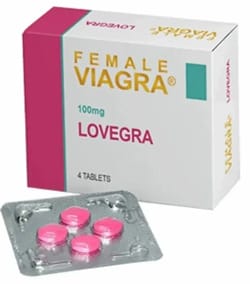
Browsing an online pharmacy can feel like walking through a massive, neon-lit supermarket where every aisle promises a different version of bliss. You might see bottles labeled “natural vitality boosters” sitting directly next to clinical-grade medications. It is easy to get lost in a fog of marketing jargon and high-gloss packaging.
The most important step is distinguishing between FDA-approved medications and over-the-counter supplements. True pharmaceutical treatments, such as those targeting specific hormonal pathways, undergo rigorous clinical trials to prove their efficacy. These are the heavy hitters of sexual medicine, designed to address biological triggers directly.
Supplements are a different category entirely. They often fall under the “wellness” umbrella and do not require a doctor’s signature. While they might contain ingredients like Maca or Ashwagandha, they lack the same level of regulatory scrutiny. Think of them as a “maybe” category in your search for intimacy.
Choosing between them is like deciding between a precision tool and a general multivitamin. One is a scalpel designed for a specific task, while the other offers a broad approach to overall health. You need to know exactly what you are putting into your body before you hit the checkout button.
The Landscape of Libido Management
When desire begins to fade, many women look toward non-prescription options to reignite it. Low libido can feel like a heavy weight muffling your connection to pleasure. Supplements are often the first choice for those looking for a gentle nudge rather than a pharmaceutical overhaul.
These non-prescription aids often focus on a “slow burn.” Instead of an immediate physiological shift, they aim to support mood, reduce stress, and balance your body’s subtle rhythms. They aren’t a magic wand, but for some, they provide the emotional ease needed for a smoother experience.
However, relying only on “natural” fixes can be a double-edged sword. Without guidance, you might spend $40 or $50 on a bottle of herbs that does very little. It is vital to manage your expectations and understand that supplements are often supportive rather than curative.
Managing libido is a holistic process involving your mind, your hormones, and your lifestyle. Online retailers often market an “instant fix,” but real wellness usually requires more patience and nuance than a single click can provide.
Physiological Nuances in Arousal Support
It is a common misconception that female sexual dysfunction is just a “lite” version of male issues. The biological reality is far more complex. While men often deal with blood flow and direct arousal, women’s experiences are deeply intertwined with complex hormonal cycles and neurochemistry.
Female arousal support often focuses on the brain’s role in desire. This involves neurotransmitters like dopamine and serotonin, which act as conductors for your body’s responses. If these chemicals are out of tune, physical stimulation may not feel entirely satisfying.
There is also the physical aspect of blood flow and vaginal lubrication. Some medications target these specific physiological responses, while others focus on the psychological readiness to engage. Understanding this distinction helps you avoid searching for a “one size fits all” pill that doesn’t exist.
Consider this comparison of how different products approach these biological needs:
| Category | Primary Target | Typical Cost Range |
| Prescription Medication | Hormonal/Neurochemical Pathways | $50 – $150+ |
| Herbal Supplements | General Mood & Vitality | $20 – $60 |
| Topical Lubricants | Physical Sensitivity/Lubrication | $15 – $35 |
How Digital Pharmacies Categorize Products
Online pharmacies organize their digital shelves to match how people search. You will often see sections for “Hormonal Support,” “Mood Enhancers,” and “Performance Boosters.” This categorization is convenient, but it can sometimes blur the lines between medicine and vitamins.
A savvy shopper should look closely at product labels. If a site lists a product under “Wellness” but makes bold claims about curing dysfunction, take a step back. Legitimate pharmacies are usually very careful with their language to avoid legal issues regarding medical claims.
You might also encounter “bundles” or “kits” designed to tackle multiple issues at once. While a $100 bundle might seem like a bargain, check the individual ingredients first. Sometimes you are paying a premium for convenience rather than actual clinical efficacy.
Navigating these categories requires a sharp eye. Don’t let a flashy website layout trick you into thinking a supplement is a substitute for professional medical advice. Always verify the source and the intended use of any product before you commit to a purchase.
Comparing Pricing and Value for Different Formulations
Shopping for sexual wellness products online involves navigating fluctuating prices. You might find a single unit for $40, but the numbers shift significantly when you look at bulk packs. It is not just about the sticker price; it is about the true cost per dose.
Price-to-quantity ratios are where the real math happens. Buying a 30-day supply might cost $80, but a 90-day supply could drop to $150. While that looks like a bargain, ensure the product has a reasonable shelf life so you don’t have capsules expiring before you use them.
Always look at the unit price rather than the total. A $150 bottle might seem steep, but if it contains 60 servings, it is actually cheaper than a $40 bottle with only 15 servings. In the world of supplements, buying in larger quantities often provides better value.
Below is a breakdown of how different quantities and dosages typically impact your total expenditure:
| Quantity/Plan Type | Dosage/Strength | Total Price | Price Per Unit |
| Single Trial Pack | 50mg | $45 | $45.00 |
| Monthly Supply | 50mg | $85 | $42.50 |
| Quarterly Bundle | 50mg | $160 | $35.55 |
| Bulk Subscription | 50mg | $280 | $28.00 |
The Hidden Costs of International Shipping
The “deal” you found online might turn into a headache at checkout. Shipping fees are the silent killers of a good bargain. A website might advertise a low price to lure you in, only to add a $25 shipping fee at the last second.
If you order from an international vendor to save money, keep a close eye on customs. Some countries are strict about importing certain ingredients. You might end up paying unexpected duties or having your package seized, making that “cheap” option very expensive in the long run.
One person I knew spent $40 on a supplement but ended up paying $30 in customs fees. It was a bitter pill to swallow. Always check if the retailer offers flat-rate shipping or provides tracking for the entire journey.
Transparency is key with overseas vendors. If a site is vague about where the product is coming from or how it will be shipped, consider that a red flag. You want certainty, not a mystery box arriving weeks late.
Spotting Predatory Pricing Tactics
In the digital marketplace, there is a fine line between a discount and a trap. Predatory pricing often involves “fake” sales where a price is marked down from $200 to $99, even if it was never $200. This is a psychological trick designed to trigger a sense of urgency.
Be wary of websites that use high-pressure countdown timers or “only 2 items left!” warnings. These are often hard-coded scripts meant to make you act impulsively. If you feel rushed, the seller is likely prioritizing a quick sale over customer satisfaction.
Legitimate market rates stay within a predictable range. If you see a price that looks too good to be true—like a high-strength formula for $10—it is almost certainly a scam. You might receive a counterfeit product containing nothing more than cornstarch or harmful contaminants.
Trust your gut and look for verified reviews. If a site has five-star reviews that all look suspiciously similar or were posted on the same day, proceed with caution. Real value is found in consistent quality and honest pricing.
Assessing Online Pharmacy Reliability and Safety
Navigating the Red Flags of Unregulated Sales
Entering a digital pharmacy that promises “no prescription required” for potent medications is risky. While many wellness supplements are sold over the counter, claiming that prescription-strength compounds require no oversight is a massive warning sign. Legitimate medical providers prioritize safety over a quick sale.
If a website looks like it was designed in the late nineties, use your intuition. A site that lacks a clear physical address, a working phone number, or a professional privacy policy is likely a ghost ship. You wouldn’t hand your credit card to a stranger in a crowded mall, so do not do it to a sketchy URL.
Watch out for “miracle” claims. If a vendor suggests their product works instantly for everyone without any side effects, they are selling a fairy tale. Real medicine is complex and requires a doctor’s consultation to ensure it won’t clash with your existing health profile.
Check for these deal-breakers before you buy:
- Pressure tactics like “limited time offers” that reset every time you refresh the page.
- Payment methods that only accept non-refundable transfers or cryptocurrency.
- An absence of contact information or a “contact us” form that never replies.
- Extremely low prices that fall significantly below the $40 market average.
The Gold Standard of Third-Party Verification
A label might say “pure” or “natural,” but words are cheap in the online supplement world. You should never take a manufacturer’s word for what is inside a capsule. Without independent verification, you are essentially taking a risk with your health.
Look specifically for seals from recognized organizations like USP, NSF, or ConsumerLab. These entities act as industry referees, ensuring that what is on the label is actually in the bottle. If a site refuses to provide documentation regarding lab testing, walk away immediately.
I once advised a client who bought a bottle for $55 that turned out to be mostly chalk. The lack of third-party certification was the smoking gun. Always demand to see the Certificate of Analysis (CoA) if you want to be sure of the potency and purity.
Verifying these results can be a chore, but it is a small price to pay for peace of mind. If a vendor is proud of their quality, they will make their testing results easy to find. If they hide it behind a wall of marketing jargon, they are hiding something.
The Logistics of Delivery and Risk Assessment
Deciding between domestic and international shipping is a balance between cost and security. A domestic vendor might charge $15 for shipping, but you have the protection of local consumer laws. If something goes wrong, you have a legal avenue to seek a refund or file a complaint.
International orders often seem like a steal. However, the risks are higher when your package crosses an ocean. You might face unexpected customs duties that add $30 to your total cost, or the package might simply vanish into a bureaucratic void.
The risk of “seizure” is a real possibility with unregulated products. Customs agents are trained to spot suspicious shipments, and if your order is confiscated, you won’t see your money again. It is often better to pay the premium for a local, verified distributor.
Keep this table in mind when comparing shipping options:
| Shipping Type | Estimated Cost | Risk Level | Delivery Speed |
| Domestic | $5 – $15 | Low | 3-7 Days |
| International | $20 – $50+ | High | 2-6 Weeks |
Deciphering Customer Feedback and History
Reviews can be misleading. A website full of perfect five-star reviews is often a sign of “review farming.” If every person says the exact same thing and they all posted their feedback within the same week, it is likely fraudulent.
Instead, look for the “messy” middle. Real customers complain about small things, like a dented box or a two-day delay. A mix of 4-star and 3-star reviews often indicates a genuine business with real human experiences. These are the voices you should actually listen to.
Check third-party review platforms rather than the testimonials on a company’s own homepage. A company’s own site is their best advertisement, and they will likely edit out negative comments. Go to independent forums or consumer protection sites to find the unfiltered truth.
Always check the transaction history if available through a verified payment processor. A legitimate business should have a history of successful, dispute-free transactions. If a company has a reputation for appearing for a month and then vanishing, stay far away.
Dosage Protocols and Usage Scenarios
Optimizing Your Intake for Maximum Impact
Timing matters when you are trying to set the mood. Many people make the mistake of taking their supplement far too early or right as they are heading to bed. For many, waiting about forty-five minutes to an hour before planned intimacy is the “sweet spot” for the best physiological response.
Dosage is not a one-size-fits-all matter; it is more like tailoring a suit. Some women find that a low dose of 5mg to 10mg is enough. Others might need to step up to 20mg to see a tangible difference in their libido or arousal levels.
You shouldn’t treat these pills like candy. Taking more than the recommended amount won’t necessarily make the experience “better”—it often just increases the likelihood of a headache. Think of it as a gentle nudge to your nervous system rather than a sledgehammer to your hormones. Always start at the lowest possible dose.
Different product formats matter too. Sublingual tablets, which melt under the tongue, often enter the bloodstream faster than standard pills. This can be a game-changer if you are dealing with spontaneous moments of desire that require a quicker onset.
Navigating Side Effects and Safety Boundaries
No medication is completely without side effects. Some users report a slight flushing of the skin or a mild headache, which usually dissipates once the peak effects wear off. It is a bit like a spicy meal; a little heat is expected, but too much can be uncomfortable.
It is vital to keep an eye on your blood pressure. Since many of these wellness aids impact vascular dilation, they can sometimes cause a temporary drop in pressure. If you feel dizzy or lightheaded, sit down immediately and avoid standing up too quickly to prevent fainting.
You must be cautious if you are already taking nitrates for heart conditions. Mixing these can be incredibly dangerous, leading to a sudden and severe drop in blood pressure. This is a hard line that you should never cross without a doctor’s explicit oversight.
Keep a simple log of how you feel during your first few uses. If you notice persistent nausea or an irregular heartbeat, stop using the product immediately. Being proactive about your health is worth more than a quick fix that leaves you feeling physically unwell.
The Role of Lifestyle and Environmental Factors
Your daily habits act as the backdrop for how these supplements perform. If you are running on four hours of sleep and a large cup of coffee, the medication might struggle to cut through the exhaustion. A tired body is often a stubborn body when it comes to sexual response.
Alcohol is a notorious mood killer. While a glass of wine might seem romantic, excessive alcohol acts as a depressant. It can actively work against the medication, making it much harder to achieve the desired physiological effects during intimacy.
Dietary choices also play a role in your overall hormonal balance. A diet high in processed sugars can lead to energy crashes that undermine your libido. A balanced intake of healthy fats and proteins can provide the steady foundation your body needs.
Stress is perhaps the most significant factor. If your mind is racing with thoughts about work or finances, even a potent supplement might fail to deliver. Creating a relaxed environment through light exercise or meditation can significantly boost the efficacy of your wellness routine.
Shipping Logistics and Discreet Delivery Methods
Choosing Your Delivery Speed
When you decide to order, you face a dilemma: how fast do you really need it? Standard shipping is the budget-friendly route, often acting as the “slow and steady” option for those not in a rush. It usually arrives within 10 to 15 business days, typically costing around $5.00.
If you are facing a weekend getaway or a special anniversary, you might opt for expedited shipping. This is the “express lane” of the logistics world. While it costs more, it can slash delivery times down to 3 to 5 business days for an extra $25.00.
Remember that these timeframes are estimates, not ironclad promises. Weather, holidays, or a sudden surge in mail volume can disrupt the schedule. Always check the carrier’s specific guidelines to ensure your expectations are grounded in reality.
To help you weigh your options, consider this breakdown. Choosing the right speed depends on whether you are stocking up for the month or need a quick boost for an upcoming event.
| Shipping Method | Estimated Timeframe | Approximate Cost |
| Standard Economy | 10-15 Business Days | $5.00 |
| Express Priority | 3-5 Business Days | $25.00 |
| Overnight Courier | 1-2 Business Days | $50.00 |
The Importance of Discreet Packaging
Privacy is essential for a comfortable shopping experience. Nobody wants a package sitting on their doorstep that reveals exactly what is inside. This is why top-tier suppliers prioritize plain, nondescript packaging. You want your parcel to look like a boring book or a generic household item, not a pharmacy delivery.
The goal is to blend in with everyday mail. A plain brown box or a white padded envelope without medicinal branding is essential. This “stealth mode” ensures that a curious roommate or a nosy neighbor won’t suspect a thing when the mail carrier arrives.
In this digital age, anonymity is a form of luxury. When you receive your order, it should feel like just another routine delivery. High-quality vendors understand that discretion is a fundamental requirement for maintaining your personal privacy.
A professional company will also use generic billing statements. When you look at your bank statement, you shouldn’t see a suspicious line item. Instead, you might see a generic name or a logistics company ID, keeping your wellness journey private.
Tracking and Navigating Global Logistics
Once your package leaves the warehouse, it begins a complex journey through various logistics hubs. It might move from a local sorting center to a massive regional hub before finally reaching your local post office. It can feel like a game of “where’s Waldo” if you aren’t paying attention.
This is where tracking numbers become your best friend. Most reputable sellers provide a unique code that allows you to watch your package’s progress in real-time. You can see when it clears customs, when it hits a transit hub, and when it is “out for delivery.”
Do not panic if the tracking doesn’t update for a few days. Packages often sit in a “black hole” while being processed through large international ports. It is a normal part of the process and doesn’t necessarily mean your order is lost.
If you notice a complete halt in movement for over a week, reach out to customer support. Sometimes a simple nudge can clear up a misunderstanding. Most issues are resolved quickly once a human being looks at the digital trail of your shipment.
Customs and Potential Delays
If you are ordering from a supplier in a different country, you might run into customs. Customs officials act as gatekeepers of international trade, and they can sometimes be a headache. They may inspect contents or hold items for additional verification.
While most small, personal orders pass through without a hitch, it is possible to face delays. These can be caused by incorrect paperwork or simply a backlog at the border. Think of it like a traffic jam on a highway; everyone is moving, but much slower than usual.
To minimize the chance of a customs hiccup, ensure that all your shipping information is 100% accurate. A single misplaced digit in your zip code can send your package on a wild goose chase. Double-check your address, phone number, and name before you hit “buy.”
In the rare event that a package is held or returned, don’t lose heart. Most experienced sellers have protocols to handle these issues, often offering replacements or refunds if the issue is on their end. Stay patient, stay informed, and keep an eye on that tracking number.
Effective Alternatives and Complementary Approaches
Prescription Strength vs. Natural Blends
Discussing intimacy with a doctor can feel intimidating. Prescription-strength options, such as FDA-approved medications, are the heavy hitters in this arena. They are designed to target specific physiological pathways to increase blood flow or neurological arousal. While they are highly effective, they often come with questions regarding long-term use.
On the other hand, natural herbal blends act like a slow-burning candle. Ingredients like Maca root or Ashwagandha aim to balance your system over time. They don’t offer an instant fix, but many women find them much easier on the stomach. It is a marathon, not a sprint, when dealing with botanical supplements.
Choosing between the two is like choosing between a scalpel and a holistic tea. One is precise and potent, while the other is gentle and gradual. Some women find that a combination of both—under strict medical supervision—provides the most balanced results.
If you decide to go the herbal route, remember that “natural” does not always mean “risk-free.” Just as you wouldn’t drive a car without checking the brakes, you shouldn’t start a supplement regimen without knowing how it interacts with your body. Always look for high-quality, third-party tested products.
Hormone Therapy and Topical Applications
Sometimes the issue isn’t just desire; it is physical comfort. For many women, especially during menopause, the body may not produce enough lubrication. This is where hormone therapy enters the conversation. It works at the source, addressing the underlying biological shifts that cause discomfort during intimacy.
Topical applications, such as specialized creams or localized estrogen, offer a more targeted approach. Instead of affecting your entire system, these treatments focus strictly on the areas that need it most. It is a localized solution for a localized problem, which many find more appealing than systemic medication.
Think of hormone therapy as adjusting the thermostat of your entire house; it changes the ambient environment. Topical treatments are more like applying a heating pad to a specific spot. Both serve different purposes depending on whether your needs are systemic or localized.
It is vital to remember that hormones are powerful messengers. Adjusting them is not like changing the volume on a radio; it can change the whole song. Always weigh the benefits of systemic hormone shifts against the specific relief provided by topical ointments or gels.
Lifestyle and Cost-Effectiveness
We often look for a “magic pill,” but sometimes the best medicine is already in our daily routine. Lifestyle changes can be incredibly cost-effective. Reducing stress through yoga or improving sleep hygiene can do wonders for libido without costing a cent. It is about building a foundation of wellness.
Dietary adjustments also play a massive role in how you feel. Focusing on heart-healthy foods can improve circulation throughout your entire body. While it might seem like a slow road, the “ROI” on a healthy lifestyle is unmatched. You are investing in your long-term vitality.
Let’s look at the potential costs of different approaches over a six-month period:
| Approach | Estimated Monthly Cost | Long-term Outlook |
| Prescription Medication | $60.00 – $150.00 | Immediate but ongoing |
| Herbal Supplements | $30.00 – $70.00 | Gradual results |
| Lifestyle Changes | $0.00 – $20.00 | Sustainable and foundational |
While the immediate cost of a pill might seem high, the cumulative cost of neglected health can be much higher. Investing in a gym membership or better quality food might feel like an expense today, but it pays dividends in energy and intimacy later.
Knowing When to See a Specialist
Self-medicating can feel empowering, but there is a line between being proactive and being reckless. If your lack of desire is accompanied by sudden pain, extreme fatigue, or mood swings, it is time to see a professional. You need an expert to look under the hood.
A specialist, such as an endocrinologist or a pelvic floor therapist, can identify issues that no over-the-counter product can touch. They can run blood panels to check for thyroid issues or iron deficiencies. Sometimes, a libido problem is actually a symptom of a completely different medical condition.
Don’t wait until you are frustrated to seek help. If you find yourself constantly searching for “quick fixes” online, that is a red flag. It often means you are treating the smoke rather than the fire. A doctor can help you find the actual source of the problem.
Ultimately, your body is a complex machine. While it is tempting to try to fix it yourself with a quick purchase, professional guidance ensures you are moving in the right direction. It is better to spend a little more on a consultation now than to spend months chasing a solution that won’t work.
- Viagra
- Cialis
- Stromectol
- Cenforce
- Amoxil
- Levitra
- Vidalista
- Kamagra
- Zithromax
- Fildena
- Neurontin
- Lasix
- Ventolin
- Cialis Black
- Kamagra Oral Jelly
- Clomid
- Prelone
- Antabuse
- Priligy
- Viagra Soft
- Cialis Professional
- Viagra Super Active
- Synthroid
- Motilium
- Hydroxychloroquine
- Vibramycin
- Metformin
- Tadalista
- Cytotec
- Cialis Daily
- Cipro
- Female Viagra
- Cialis Soft
- Viagra Professional
- Strattera
- Inderal
- Tretiva
- Augmentin
- Cialis Super Active
- Wellbutrin Sr
- Isofair
- Diflucan
- Sildalis
- Flagyl
- Vilitra
- Propecia
- Cialis Super Force
- Estrace
- Isotroin
- Xenical
- Lumigan
- Careprost
- Baclofen
- Viagra Generic
- Cialis Generic
- Levitra Generic
- Super Kamagra
- Cobra 120mg
- Doxycycline
- Aciclovir
- Aciclovir Cream
- Vermox
- Tretinoin Cream
- Tretinoin CGel
- Prozac
- Nolvadex