
Buy Clomid for PCT Online at the Best Prices
Understanding Clomid for PCT
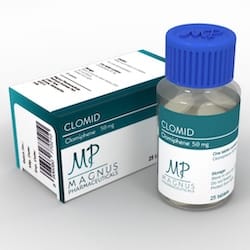
Clomid has two primary uses: it is a fertility aid used to trigger ovulation in women or increase sperm production in men, and it is a Post Cycle Therapy (PCT) tool used by men to restart natural testosterone production. In a PCT context, it helps prevent the hormonal “crash” that often follows a steroid cycle.
For a woman, Clomid acts as a spark to start ovulation. For a man finishing a cycle, it works like a jump-start cable for a dead battery. While the chemical structure stays the same, the goal shifts from reproduction to endocrine restoration. Knowing this distinction is vital before starting any protocol.
Many athletes mistakenly think Clomid is a magic pill that replaces lost muscle gains. That is a dangerous idea. It is actually a signaling tool. It communicates with your brain to tell your body to start producing its own hormones naturally again.
The Mechanism of Hormonal Restoration
To understand how this works, look at the communication line between your brain and your testes. When you use exogenous steroids, your body detects the high hormone levels and stops its own production. It effectively shuts down your internal factory to save energy.
Clomid, or clomiphene citrate, acts as an infiltrator. It is a Selective Estrogen Receptor Modulator (SERM). Instead of adding more hormones, it blocks estrogen receptors in the hypothalamus. This trickery convinces your brain that estrogen levels are too low, even when they are not.
The brain, thinking there is a shortage, reacts by pumping out Gonadotropin-Releasing Hormone (GnRH). This signal travels to the pituitary gland. As documented by medical records, this cascade triggers the release of Luteinizing Hormone (LH) and Follicle-Stimulating Hormone (FSH).
LH is the messenger that tells the Leydig cells in the testes to produce testosterone. FSH handles sperm production. By mimicking a deficiency, Clomid forces your endocrine system to wake up from its steroid-induced slumber and resume natural production.
Avoiding the Post-Cycle Crash
The “crash” is a brutal reality for many. When a cycle ends and the external hormones vanish, the body is left in a hormonal vacuum. Natural testosterone production might take weeks or months to restart, leaving the user feeling lethargic, depressed, and physically depleted. This is a heavy price to pay for progress.
Athletes use Clomid during PCT to fill this gap. By stimulating LH and FSH production early, they attempt to ramp up natural testosterone before the shutdown effects become overwhelming. This proactive approach focuses on maintaining homeostasis—the body’s internal balance—rather than just chasing a number on a blood test.
However, you shouldn’t just grab a bottle from the first vendor you see on poseidonrx.com or elsewhere without a plan. Sourcing is only half the battle; knowing the right dosage for your specific hormonal profile is where the science happens. You want to avoid “overshooting” and causing even more imbalance.
Timing is everything. If you start your PCT too late, you are fighting an uphill battle against a deep hormonal deficit. If you start too early, you might interfere with the body’s natural transition back to baseline. It is a delicate balance of chemistry and timing.
The following table outlines how different purchasing options might look in the current market for various quantities of Clomid.
| Package Type | Quantity | Price (USD) | Estimated Delivery |
|---|---|---|---|
| Starter Kit | 30 Tablets | $25 | 7-10 Days |
| Standard Cycle | 60 Tablets | $45 | 7-10 Days |
| Bulk Pack | 150 Tablets | $95 | 10-14 Days |
| Pro Stack | 300 Tablets | $170 | 14-21 Days |
Dosage Protocols and Timing for Maximum Recovery
Effective PCT protocols typically use Clomid in daily oral doses ranging from 25mg to 50mg per day for 4 to 6 weeks. Timing is critical; you should initiate this regimen approximately 24 to 48 hours after your last exogenous hormone administration to ensure a smooth transition back to natural production.
Standard Dosage and Timing Strategies
There isn’t a one-size-fits-all answer, but there are common patterns. Most men find success by starting with a moderate dose, such as 50mg per day. This isn’t about going overboard; it’s about providing enough signal to the brain without causing a massive hormonal seesaw.
The timing of your start date is where many people make mistakes. You want to wait until the synthetic hormones have largely cleared your system. If you jump in too early, the external hormones might still “drown out” the signal you are trying to send. If you wait too long, you risk a deep crash.
Think of it like catching a falling knife. You want to be ready to catch it, but you don’t want to grab it while it is still moving too fast. A common approach is to start the protocol once your blood levels of the cycle’s primary hormone have dropped near baseline. This ensures the Clomid has a clear path to work.
Patience is a virtue during the transition. Some prefer a “tapering” approach, while others go straight into the full dose. While I can’t tell you exactly what to do, many find that a consistent daily dose is far more effective than “on-off” scheduling, which can cause unnecessary spikes and dips.
Comparing Administration Methods
In terms of recovery, oral administration is the most convenient option. Taking a small pill once a day is much easier than other methods. It is non-invasive, easy to track, and doesn’t require you to carry a kit of syringes and vials everywhere you go.
Some might argue for injectable options, but for most, they are overkill for a simple SERM protocol. The primary benefit of the oral route is stability. It is much easier to maintain a steady level of Clomiphene Citrate in your bloodstream with a daily pill than it is to manage complex injection schedules.
The bottom line is that oral Clomid is highly effective because of its simplicity. You don’t need a degree in nursing to get it right. However, do not mistake “easy” for “careless.” You must remain disciplined. Skipping doses is like trying to steer a ship by pulling the rudder only once an hour; you will just spin in circles.
The real value lies in the ability to integrate this into your daily life without major disruption. You can take it with breakfast, before bed, or whenever is most convenient. As documented by medical records, the consistency of the medication in your system is what drives the rise of LH and FSH levels.
Adjusting for Individual Results
Every body is a unique laboratory. What works for your gym partner might leave you feeling like a ghost. This is why a “set it and forget it” mentality is a recipe for disaster. You cannot treat your endocrine system like a math equation where $X$ always equals $Y$. It is much more organic and unpredictable.
The only way to truly know if you are hitting the mark is through blood work. Testing your levels is the only way to see if your natural testosterone is actually rising or if you are just spinning your wheels. If your levels remain low, a mentor might suggest a temporary increase in dosage or a longer duration of the protocol.
Conversely, if you experience extreme mood swings, vision issues, or severe acne, you might be overdoing it. High estrogen or excessive signaling can cause its own set of problems. It is a fine line between a jump-start and an electrical surge. You want to find the “Goldilocks zone” where your hormones are recovering without causing systemic chaos.
If you find yourself struggling, don’t panic. It often takes a few cycles of testing and adjusting to find your personal baseline. Think of blood work as your GPS; it tells you if you are heading toward your destination or if you have taken a wrong turn. Use the data to guide your next move.
Price Comparison and Budgeting for Your PCT
A standard 8-week Post Cycle Therapy (PCT) using Clomid typically costs between $40 and $150 depending on the source and quantity. While individual pill prices vary, the primary expense is often the shipping and logistics involved in securing a reliable supply for your entire recovery protocol.
Breaking Down the Costs
When you start shopping around, you’ll notice that pricing isn’t static. Most Clomid comes in 30mg tablets. A single bottle containing 60 tablets might run you around $30 to $50. If you are running a standard 8-week cycle, you might need two of these bottles to ensure you don’t run dry mid-way through.
The price per milligram is the real metric to watch. It is easy to get seduced by a low sticker price, but always check the total milligram count. Buying a single small bottle is often the most expensive way to go, as you end up paying a premium for the small quantity and individual shipping fees.
Here is a quick look at how the math usually shakes out for a standard user:
| Quantity/Size | Estimated Price (USD) | Best For |
| 1 Bottle (60 tabs) | $35 – $50 | Short trials |
| 3 Bottles (180 tabs) | $80 – $120 | Full 8-week PCT |
| 5 Bottles (300 tabs) | $130 – $180 | Bulk savings |
The “bulk buy” approach is almost always the winner. If you are serious about your recovery, you shouldn’t be buying one bottle at a time. It is like buying milk; a gallon is cheaper than four individual quarts. The same logic applies to your hormone management.
Clomid vs. Other Options
You might have heard people talking about HCG (Human Chorionic Gonadotropin) for recovery. HCG is an injectable hormone used to signal the testes to produce testosterone. While it is highly effective, it is significantly more expensive than Clomid because it requires more complex manufacturing and specialized shipping to keep it stable.
Comparing the two is like comparing a high-end specialized tool to a reliable multi-tool. HCG is powerful, but Clomid is the workhorse that most people use to get the job done. When you factor in the cost of syringes, alcohol swabs, and the medication itself, the price gap widens significantly.
Clomid is the budget-friendly option for the PCT world. It offers a way to stimulate your natural production without breaking the bank. While some advanced protocols use both, starting with a solid Clomid foundation is the most cost-effective way to begin your journey back to natural balance.
Calculating Your Full Cycle Budget
Planning your finances is as important as planning your dosages. To calculate your total cost, you need to account for the medication, the shipping, and a small “buffer” for potential delays. A common mistake is forgetting that international shipping or discreet packaging can add an extra $20 to $40 to your total.
If you decide to go the bulk route, you can actually save a significant amount. For example, instead of spending $150 on two separate orders of single bottles, you might spend $120 on one large order. That extra $30 stays in your pocket for other things, like your post-cycle blood work.
Don’t forget to budget for testing. You can’t fly blind. According to medical records, monitoring your levels is vital to ensure the protocol is working. I’d suggest setting aside an extra $100 to $200 for a comprehensive hormone panel once you finish your cycle.
Ultimately, a smart budget looks like this:
- Medication (Bulk): $100 – $150
- Shipping & Logistics: $30 – $50
- Blood Work (Pre/Post): $150 – $300
- Total Estimated Budget: $280 – $500
Sourcing Clomid Online: What to Look For
To find a legitimate pharmacy, focus on verified customer feedback, secure payment gateways, and transparent shipping policies. Avoid vendors that refuse to provide tracking numbers or use suspicious payment methods. A reliable provider will offer discreet, plain packaging and clear communication regarding delivery timelines.
Navigating the digital marketplace for hormone support can feel like a minefield. You want to ensure that what arrives at your doorstep is actually what you paid for. It is not just about finding the lowest price; it is about finding a vendor that respects your privacy and your wallet.
Many people take the path of least resistance by clicking the first ad they see. That is a mistake. Instead, take a moment to vet the site. Look for a professional layout and ensure they have a clear way to contact them if things go wrong.
A little bit of homework now saves a massive headache later. If a site feels “off,” trust your gut. There is no shame in walking away from a shady operator. You are the one taking the risk, so you should be the one in control of the selection process.
Verifying Vendor Legitimacy
The first thing you should do is hunt for real reviews. I am not talking about the testimonials on the vendor’s own homepage. Anyone can write a glowing review for their own product. You need to find third-party forums or community discussions where people talk about their actual experiences with specific suppliers.
Check for the “locks” in your browser bar. If the site uses “http” instead of “https,” close that tab immediately. That “s” stands for secure, meaning your data is encrypted. Without it, you might as well be handing your credit card details to a stranger on a street corner.
A legitimate provider will also be upfront about their shipping protocols. If they are vague about how they protect your privacy, keep moving. A professional outfit understands that discretion is paramount for anyone managing their hormonal health or post-cycle recovery.
Legitimacy is earned through transparency. If a vendor hides their contact information or refuses to answer basic questions about their shipping process, they are likely not a professional operation. Don’t let a “too good to be true” price lead you into a dead end.
Shipping and Logistics
When you finally hit that “order” button, the waiting game begins. Most reputable international suppliers will provide you with a tracking number within a few days. If you see a “pending” status for two weeks without an update, it is time to send an inquiry. A good vendor stays in touch.
Expect a wait if you are ordering from overseas. While domestic shipping might take 3-7 days, international logistics can easily stretch to 2-4 weeks. This isn’t necessarily a bad sign; it just means the package is crossing borders and navigating various customs checkpoints.
Privacy is the name of the game. You should expect “discreet packaging.” This means your package should arrive in a plain, nondescript box or bubble mailer. There should be no mention of the contents or the pharmacy name on the outside. If your box arrives looking like a pharmacy shipment, that vendor has failed.
I always recommend ordering a little more than you think you need. It is better to have an extra bottle sitting in your drawer than to be halfway through a cycle and realize your package is stuck in customs. Having a “buffer” supply is the smartest way to avoid mid-cycle panic.
Domestic vs. International Suppliers
Choosing between a local supplier and an international one is a trade-off between speed and cost. Domestic suppliers are much faster and often have easier return policies, but you will pay a premium for that convenience. It is the difference between buying a coffee at the airport versus the shop down the street.
International suppliers offer the best value. You can often find significantly lower prices per milligram, especially when buying in bulk. However, you are essentially playing a game of chance with customs and much longer wait times. It requires more patience and a higher tolerance for uncertainty.
| Feature | Domestic | International |
| Shipping Speed | Fast (3-7 days) | Slow (14-30 days) |
| Price Point | Higher | Lower |
| Risk Level | Lower | Moderate |
Your choice depends on your specific situation. If you are in the middle of a time-sensitive protocol and need supplies immediately, go domestic. If you are planning ahead and looking to maximize your savings, international is the way to go.
Watch out for “too good to be true” pricing. If a vendor is offering 500mg for $10, they are likely selling something other than what is on the label. High-quality products have manufacturing costs, and if a price ignores those costs entirely, you are the one paying the price in quality.
Avoid “bait and switch” tactics. A site might advertise a low price to get you in the door, but once you reach the checkout, the price jumps due to “handling fees” or “insurances.” Always check your total cart value before you commit your information.
Stay vigilant. Treat your online shopping like any other significant purchase: do your research, compare the math, and never rush the process. Your health and your bank account will both thank you for being a cautious shopper.
Side Effects and Managing the Transition
Common side effects of Clomid include mood swings, hot flashes, and visual disturbances like blurred vision or light sensitivity. While many users find these issues manageable, sudden changes in vision require immediate medical attention. Monitoring estrogen levels and following a doctor’s prescribed schedule are essential steps to ensure safety during hormone treatment.
Hormonal shifts are a heavy lift for your body. It is not uncommon to feel like you are on an emotional rollercoaster. One minute you are fine, and the next, you are feeling uncharacteristically irritable or tearful. These mood swings happen because Clomid—clomiphene citrate—interacts directly with your brain’s signaling pathways.
Physical sensations can also occur. Hot flashes might make you feel like you’re in a desert in the middle of winter. If you find yourself sweating unexpectedly, don’t panic. It is a frequent side effect that often settles down once your body finds its new rhythm or the cycle concludes.
Listen to your body. If you notice any “spots” in your vision or a strange flickering light effect, stop what you are doing. According to medical documentation, these visual disturbances can be a sign of serious issues that require an immediate eye exam.
Navigating Hormonal Spikes and Physical Comfort
The chemistry inside you is a delicate balance. When you take Clomid, it can cause fluctuations in estrogen, the primary hormone responsible for regulating the menstrual cycle. If your estrogen levels spike too high or behave erratically, you might experience intense physical symptoms or even complications like ovarian hyperstimulation syndrome (OHSS).
Monitoring is your best friend. Your doctor might use blood tests or ultrasounds to keep an eye on your ovaries. If you feel intense abdominal pain or sudden bloating, it could be a sign that your ovaries are swelling more than they should. This is a serious matter that needs professional eyes immediately.
Managing the “downside” of the transition doesn’t have to be a nightmare. If nausea or discomfort hits, try shifting your schedule. Many people find that taking the medication at night, right before they sleep, helps them sleep through the worst of the side effects. It is a simple trick that can save your daytime sanity.
Other practical tips for your recovery phase include staying hydrated and maintaining a steady diet. When your hormones are shifting, your blood sugar can be a wild card. Keeping your meals consistent can help dampen those sudden dips in energy or spikes in mood.
| Symptom | Management Strategy |
| Mood Swings | Practice mindfulness; track moods in a journal. |
| Hot Flashes | Layer clothing; keep a cool drink nearby. |
| Nausea | Take medication at night before bed. |
| Visual Changes | Stop use immediately and call a doctor. |
Knowing When to Step Back
You shouldn’t be a martyr for the cause of conception. If the side effects move from “annoying” to “unbearable,” it is time to pull the emergency brake. There is a fine line between adjusting to a new medication and ignoring a signal that your body is struggling to cope with the dosage.
If you experience severe pelvic pain, heavy bleeding, or sudden shortness of breath, do not wait. These are not the typical “growing pains” of a fertility cycle. They are red flags that demand a conversation with a medical professional right away to prevent long-term damage.
Every person’s biology is unique. What works perfectly for your friend might cause a reaction in you. This is why staying in constant communication with your healthcare provider is non-negotiable. They are the only ones who can safely adjust your dose or pivot to a different treatment plan.
Your safety is the foundation of any successful journey. Whether you are using it for ovulation induction or managing hypogonadism, the goal is health. If the path feels too rocky, listen to your instincts and seek professional guidance to navigate the road ahead safely.
Optimizing Results with Lifestyle and Supplements
Maximizing the efficacy of your PCT requires a dual approach: using targeted supplements like CoQ10 and Vitamin D to stabilize hormonal pathways while managing diet and stress to lower cortisol. Tracking blood biomarkers is essential to ensure your body is actually recovering rather than just feeling better.
Think of your body like a high-performance engine during this transition. You wouldn’t expect a car to run perfectly on low-grade fuel while the mechanic is still fine-tuning the timing. The same logic applies here; your internal chemistry needs high-quality building blocks to rebuild its natural production systems effectively.
The pills you take are only one part of the equation. You can have the best protocol in the world, but if your lifestyle is working against your hormones, you are fighting an uphill battle. It is about creating an environment where healing can actually happen.
The Role of Targeted Nutritional Support
Don’t just rely on the medication; give your cells the tools they need. For instance, Coenzyme Q10 (CoQ10) is a powerful antioxidant that helps support mitochondrial function. This is crucial because your endocrine system requires immense cellular energy to function correctly.
Then there is Vitamin D. In reality, it acts more like a pro-hormone than a vitamin. It plays a massive role in maintaining the delicate balance of your reproductive system. Without sufficient levels, your body might struggle to respond to the signals sent by your medication.
Think of these supplements as the “support crew” for your primary treatment. They aren’t magic bullets, but they ensure that when the medication sends the signal to “start producing,” your body actually has the raw materials ready to go. It’s about optimizing the entire biological landscape.
When you integrate these natural supports, you are essentially lowering the “friction” in your hormonal recovery. While a bottle of CoQ10 might cost you around $25 to $40, the potential boost in cellular efficiency is well worth the investment in your long-term health.
Managing Stress and Diet
Your plate and your mindset dictate your hormonal success. High cortisol levels, the primary stress hormone, act like a loud, disruptive noise that drowns out the signals from your pituitary gland. When cortisol is high, your body prioritizes survival over reproduction or hormonal restoration.
Similarly, your diet serves as the foundation of your endocrine health. Drastic fluctuations in blood sugar can cause insulin spikes, which in turn can mess with your sex hormone-binding globulin (SHBG) levels. Keeping your meals steady and focused on whole, nutrient-dense foods keeps your internal environment calm and predictable.
A chaotic lifestyle makes for a chaotic recovery. If you are eating processed sugars and living in a state of constant “fight or flight,” you are making it significantly harder for your natural testosterone or estrogen levels to stabilize. It is a holistic game, not just a chemical one.
I’ve seen many people spend hundreds of dollars on advanced protocols, only to negate the benefits by staying up until 2 AM and eating poorly. You have to treat your lifestyle with the same discipline you treat your supplement schedule if you want to see real, lasting results.
Biomarkers vs. The Guesswork Trap
It is incredibly easy to fall into the trap of “feeling” your way through a recovery. You might think, “I feel more energetic, so my levels must be back to normal.” This is a dangerous assumption. Feeling good is a subjective metric that can be easily fooled by adrenaline or caffeine.
Instead, you should rely on objective data. Tracking your biomarkers—specifically things like total testosterone, LH (Luteinizing Hormone), and FSH (Follicle-Stimulating Hormone)—is the only way to know if your body is actually doing the work. This moves you from the realm of hope into the realm of certainty.
According to clinical observations, individual responses to hormonal therapy vary wildly. This is why a “one size fits all” approach is a recipe for frustration. What works for the guy next to you might not work for you, and bloodwork is the only way to tell.
By checking your levels, you can see if your dosage is hitting the mark or if you are just spinning your wheels. It allows you to make informed adjustments with your healthcare provider rather than just hoping for the best. Precision is the name of the game when it comes to your endocrine system.
| Method | Reliability | Primary Benefit |
| Subjective Feeling | Low | Ease of use |
| Ovulation Kits | Moderate | Timing accuracy |
| Blood Biomarkers | High | Definitive data |
- anabolic steroids
- test 500
- test e 300
- testosterone cypionate
- testosterone enanthate
- testosterone injections
- testosterone propionate
- testosterone undecanoate
- tren
- tren ace
- tren e 200
- trenbolone acetate 100mg
- trenbolone enanthate
- tri tren
- t3
- anapolon
- anavar
- arimidex
- boldenone
- cabergoline for bodybuilding
- clenbuterol
- clomid pct
- cutting stack
- deca steroid
- dianabol pills
- equipoise 300
- hcg 5000 iu
- hcg 10000 iu
- human growth hormone
- masteron
- oxandrolone 10mg
- parabolan 100
- primo steroid
- proviron
- sermorelin injections
- somatropin
- stanozolol
- sustanon
- turinabol