
First Nations Smokes: Understanding Their Cultural Significance and Modern Context
What if there were a tobacco product crafted with the integrity of traditional Indigenous teachings? First Nations smokes are premium, additive-free tobacco products sourced from sovereign Indigenous territories, offering a purer and more authentic smoking experience. Each pouch or carton is produced with a focus on natural curing and robust flavor, reflecting a heritage of respect for the leaf. To use them, simply select your preferred cut and pack it as you would any fine tobacco, allowing the unadulterated profile to deliver a consistently smooth and satisfying smoke.
Understanding What Makes Indigenous-Made Tobacco Distinct
Understanding what makes Indigenous-made tobacco distinct starts with the blend itself—often a sweeter, natural leaf that skips most chemical additives found in commercial smokes. When you pick up a First Nations smoke, you’re getting a product crafted in smaller batches, where the curing and cutting process Buy native cigarettes online Canada stays closer to traditional methods. That means a drier, more robust burn and a flavor that hits differently, without the heavy throat-coating residue. *The difference isn’t just taste—it’s how the smoke sits in your lungs, lighter yet more present.* The rolling paper and filter quality also tend to be simpler, so you notice the tobacco’s character instead of the wrapper. For a smoker switching from mass-produced brands, the key is pacing yourself, because the strength can sneak up on you. It’s a more direct, unvarnished experience that rewards a slower draw and a bit of curiosity.
Core Traits of Traditional Native Blends
Core traits of traditional Native blends hinge on a distinct, unprocessed character that sets them apart from commercial cigarettes. These blends prioritize whole-leaf tobacco, often sun-cured rather than flash-dried, which preserves natural oils and sugars for a deeper, earthier smoke. You will notice a coarser cut, allowing for a slower, cooler burn that delivers a robust, sometimes slightly sweet or smoky flavor profile without heavy chemical additives. The hallmark of these blends is their additive-free, natural composition, which translates to a purer taste. This preparation follows a clear sequence: harvesting mature leaves, air-curing them, then hand-stripping the stems before final blending. The result is a distinctively honest and potent smoking experience.
How These Products Differ From Mainstream Commercial Cigarettes

Indigenous-made tobacco products diverge from mainstream commercial cigarettes primarily through their unprocessed, additive-free composition. Unlike mass-produced brands, which rely on chemical humectants, flavorings, and combustion accelerants to ensure uniform burn and shelf stability, these products use raw leaf tobacco with no such enhancements. This alters the smoke’s character—harsher on inhalation, with a distinctly earthy, natural aroma—and changes the burn rate, which is typically faster and less consistent. The absence of filters and paper wrappers, often replaced by loose leaf or corn husk, further shifts the experience, delivering higher nicotine and tar levels per puff. The result is a product that prioritizes tradition over engineered smoothness, yielding a more direct physiological effect.
- No chemical additives or flavorings alter taste or burn
- Lacks filters, increasing nicotine and tar delivery per draw
- Natural leaf composition produces a harsher, more rapid burn
The Role of Natural Additives and Processing Methods
In First Nations smokes, natural additives and processing methods directly shape the final flavor and burn characteristics. Traditional curing often uses air-drying or smoke-treating the leaf, which preserves inherent sugars and oils without chemical humectants. Natural additives like wild cherry bark, sweetgrass, or maple leaf are sometimes incorporated during the blend, contributing subtle sweetness or a woody undertone that alters the smoke’s mouthfeel. The lack of artificial casing means the tobacco’s natural moisture content dictates how evenly it burns, so the pack may require re-humidification. Processing without chemical preservatives also means the product is more sensitive to temperature swings, shifting its aroma and draw speed noticeably. This approach prioritizes raw leaf character over engineered consistency.
- Air-curing retains natural sugars that produce a mild, slightly fruity smoke.
- Smoke-treating with hardwood adds a resinous depth without artificial flavoring.
- Natural additives like sweetgrass modify the ash color and burn rate.
- No chemical humectants means the tobacco dries faster, requiring airtight storage.
Practical Steps for First-Time Buyers
When you first step into a smoke shop that carries First Nations smokes, ask the person behind the counter which blends are grown on reserve land—that’s your starting point. Take a small pouch of loose tobacco in your palm, sniff it, and crumble a pinch between your fingers; it should feel slightly damp, not brittle. Before you buy, ask if you can roll one right there, because the way it burns tells you more than any label. A common question from beginners is, *“How do I know if it’s too dry?”* — squeeze the pouch; if it crackles, it’s stale, and you should pick another. Start with a half-ounce bag, not a bulk order, and bring your own rolling papers so you can test the cut. Watch how the elder in front of you packs the end with a slow twist—that’s the trick to an even pull. Pay with cash if you can, and remember to thank the seller by name; in many communities, that exchange is part of the smoke’s spirit. Take notes on what you buy, and return to the same person next time, so they remember your preference and can guide you toward a stronger or milder leaf.
Where to Legitimately Source Authentic Native Tobacco
To source authentic native tobacco, prioritize direct relationships with recognized Indigenous communities or their licensed brick-and-mortar retailers, as these are the only channels guaranteeing provenance. Start by contacting the specific First Nation’s band office or economic development corporation; they will direct you to their official sales outlet, whether a physical store or an approved online portal. Avoid third-party marketplaces or social media sellers, as these frequently mislabel generic tobacco blends. Ask for a certificate of authenticity or a receipt showing the seller’s tribal business number. If you purchase from a reserve, confirm you’re at a store physically located on that territory, not a roadside stand. For repeat purchases, establish an account directly with the community’s wholesale division to bypass middlemen. Verification of the seller’s band-issued permit is your final safeguard before payment.
- Compile a list of First Nations with existing tobacco programs.
- Call or email the band’s economic development office for authorized seller names.
- Match the seller’s address to official reserve boundaries.
- Request a proof-of-purchase that includes the band’s name and permit number.
What to Look for in Packaging and Product Labels
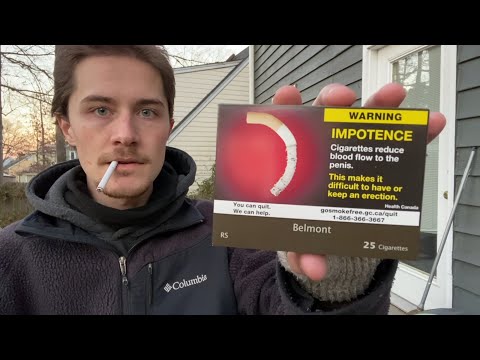
When examining packaging and product labels for First Nations smokes, prioritize authenticity markers that confirm Indigenous ownership and production origin. Check for the community name, band council number, or registered trademark that ties the product to a specific Nation. Inspect the health warning placement and wording—legitimate labels follow standardized cautionary text without altering it. Verify the ingredient list explicitly states “tobacco and water only,” with no additives like flavorings or preservatives. Look for a lot number and production date stamped clearly, ensuring traceability. Finally, examine the seal integrity: a tamper-evident band or shrink wrap indicates proper handling. If any label element is missing, blurred, or inconsistent, treat it as a red flag and choose another product.
How to Verify Quality and Freshness Before Purchase
Before you commit, verify quality and freshness by inspecting the tobacco’s feel and scent—it should be slightly damp, never brittle or powdery, and release a rich, earthy aroma without sharp ammonia. Pinch a small sample; fresh leaves spring back, while stale ones crumble instantly. Ask the seller to show you the batch’s packaging date, and check for consistent color—no pale streaks or dark, sticky patches. For loose tobacco, press your palm over the container: moisture that clings signals proper curing. Also, smell the bag’s interior after opening—if it smells musty, it’s past its prime. Trust your senses over brand claims.
Q: How can I test freshness without opening a sealed pouch?
A: Gently squeeze the pouch—it should feel soft and resilient, not stiff or crackly. Then, hold it to your nose; a sweet, grassy scent passes through thin plastic. If you detect nothing or a sour note, walk away.
How to Use and Store Your Purchase Properly
For proper use and storage of First Nations smokes, keep the product in its original packaging until you are ready to smoke, as this preserves moisture and prevents drying. After opening, transfer the smokes to an airtight container or resealable bag with a small humidity pack, avoiding direct sunlight and extreme heat, which degrade the tobacco’s flavor. When smoking, handle the product minimally and store the unused portion immediately; never leave smokes exposed to air for extended periods.
Store your purchase in a cool, dark place—such as a cupboard or drawer—away from heat sources and strong odors, and consume within a few weeks for optimal freshness.
Before each use, check for any signs of mold or excessive brittleness; if the smoke feels overly dry, rehydrate it gently with a damp cloth inside the container for an hour, but avoid over-moistening.
Best Practices for Keeping the Product Moist and Flavorful
To keep your First Nations smokes at their peak, prioritize a sealed, airtight container over the original pouch once opened. Introduce a dedicated humidity disc or a clean, dampened terra-cotta stone to regulate moisture levels without saturating the leaf. Store the container in a cool, dark cabinet, away from heat vents and direct sunlight, which accelerate drying. Always allow the product to breathe for a few minutes after resealing to prevent condensation buildup. For lasting flavor, preserve the natural tobacco aroma by rotating your stock and using the oldest product first. This routine locks in richness and prevents brittle, harsh-smoking bundles.
- Use an airtight glass jar with a rubber gasket for daily storage.
- Add a two-way humidity pack calibrated to 62% for balanced moisture.
- Rehydrate overly dry smokes by placing a fresh lettuce leaf beside the product for two hours.
How to Roll or Prepare Loose-Leaf Options Correctly
To prepare loose-leaf correctly, begin by evenly distributing the tobacco along the paper’s crease, leaving a quarter-inch gap at each end for a proper seal. Gently roll the material between your fingertips to compress it into a uniform cylinder, avoiding tight spots that restrict airflow or loose pockets that cause canoeing. Tuck the unglued edge under and lick the adhesive strip in one smooth pass, then press the seam shut with a soft, even stroke. For a filtered option, seat the filter flush against the leaf’s end before rolling, ensuring the wrap is snug but not overstretched. Consistent tension during the roll guarantees an even burn and minimal touch-ups, preserving the leaf’s natural flavor profile.
Roll with even pressure, even distribution, and a tight, uniform seam for a correct, slow-burning loose-leaf preparation.
Proper Handling Techniques to Avoid Waste or Damage
Handle smokes with dry, clean hands to prevent moisture transfer that degrades the tobacco. Remove only one smoke at a time from the pack, resealing it immediately to lock in humidity—prolonged exposure to air accelerates drying and cracking. Store the pack upright in a cool, dark place, never near heat sources or direct sunlight. When breaking a smoke, twist gently at the filter rather than crushing the tip, avoiding loose tobacco spillage. Squeeze the pack from the bottom if cigarettes stick, preserving their shape and reducing breakage. This preserves structural integrity for optimal burn and minimizes unusable fragments.
Q: How do I prevent bent or broken smokes when carrying them?
A: Carry the pack in a rigid, dedicated case or in an inner pocket away from keys and tools. Always place the pack filter-end down during transit, so gravity keeps tobacco settled and reduces crush points.
Key Benefits and Practical Advantages for Users
For users, First Nations smokes offer practical advantages through their traditional curing processes, which often result in a distinctively smooth, natural tobacco flavor without the additives found in commercial products. This direct sourcing from community growers provides users with a consistent, unprocessed product, ensuring a purer smoking experience that many find more satisfying. Additionally, purchasing directly from First Nations retailers typically means competitive pricing due to reduced overhead, offering a cost-effective alternative for regular smokers. The cultural authenticity of these products also delivers a unique, heritage-based benefit, allowing users to support Indigenous craftsmanship while enjoying a product crafted with methods passed down through generations. For those prioritizing a straightforward, additive-free option, the practical benefit lies in the predictable quality and straightforward purchasing process.
Cost-Effectiveness Compared to National Brands
For users prioritizing value, cost-effectiveness compared to national brands is a decisive factor. First Nations smokes typically retail at a sharply reduced price point, often 30–50% lower per carton, without requiring a compromise in the core smoking experience. This advantage stems from streamlined production and distribution, not from hidden fees or subscription traps, making the savings fully predictable. To maximize this benefit, follow a practical sequence: first, compare per-unit costs against your usual national brand; second, purchase in larger carton volumes to lock in the lower per-pack rate; third, account for any delivery charges to confirm the net saving; and finally, track your monthly consumption to ensure the switch consistently reduces your total tobacco expenditure. This direct price gap remains the primary, tangible financial benefit for everyday users.
Flavor Profiles and Strength Levels to Expect
First Nations smokes typically offer distinct flavor profiles rooted in traditional tobacco blends, ranging from earthy, semi-sweet notes to more robust, smoky undertones, depending on the specific variety and curing process. Strength levels are generally categorized as light, regular, or full-bodied, with many users finding these products noticeably stronger than commercial equivalents due to less additive dilution. Expect a natural, slightly harsh throat hit on full-strength options, while lighter blends provide a smoother draw without sacrificing depth of taste. Some regional varieties incorporate natural sweetgrass or cedar hints, altering both aroma and aftertaste. For a practical comparison, consider the following baseline expectations:
| Profile | Strength | Primary Taste Cue |
|---|---|---|
| Traditional blend | Full-bodied | Earthy, smoky, minimal sweetness |
| Light blend | Mild | Soft, slightly woody, cleaner finish |
| Herbal-infused | Regular | Subtle grass or cedar accent |
Usage Scenarios Where This Product Excels
This product excels in **ceremonial and social contexts** where its traditional composition aligns with cultural protocols, offering a familiar sensory profile that supports group participation. For daily personal use, its consistent cut and moisture level make it reliable for hand-rolling, even in variable outdoor conditions like wind or damp air. It also performs well for those who prefer a slower-burning option during extended gatherings, reducing the need for frequent relighting. Additionally, its packaging is designed for discreet transport, fitting comfortably in a pocket or pouch without crushing the contents—a practical advantage for users moving between community spaces or work sites.
From ceremonial group settings to everyday hand-rolling and on-the-go storage, this product excels in scenarios demanding cultural familiarity, consistent burning, and durable portability.
Common Questions and Troubleshooting Tips for New Users
New users often ask whether First Nations smokes taste harsher than commercial brands—if yours feel dry or burn unevenly, try briefly rehydrating them with a damp cloth in a sealed container for an hour. A common mistake is storing them in plastic, which traps moisture and causes mold; switch to a ceramic or glass jar with a loose lid. If your pack draws too tightly, gently roll the cigarette between your fingers to loosen the tobacco. Always check the filter’s firmness before lighting—a soft filter signals stale product and will cause a bitter, acrid pull. Keep them away from direct sunlight and heat sources to preserve their natural sweetness and slow-burning character. Remember that a slight variation between batches is not a defect, but a reflection of traditional, hand-prepared leaf. For a smoother first experience, inhale less deeply until your palate adjusts.
What to Do If the Product Feels Too Dry or Too Moist

If your First Nations smoke feels too dry, it can burn harshly and lose its aromatic depth; restore balance by placing a small, clean piece of citrus peel or a damp cotton ball inside your storage container for a few hours, but never directly on the product. Conversely, if it feels too moist or clings together, spread the material on a paper plate in a cool, dry area for short intervals, turning it gently until it reaches an even, workable consistency. Always test a small pinch first, as over-correcting ruins the texture. **Avoid extreme heat or direct sunlight**, which can cause uneven drying or mold. Rehydrating overly dry smokes requires patience, not haste.
Q: What is the fastest safe fix for overly moist First Nations smokes?
A: The fastest safe fix is a brief, low-temperature oven warm-up (no hotter than 150°F) for five minutes, then air-dry at room temperature until the desired feel returns.
How to Adjust Your Consumption Habits for a Different Burn Rate
When switching between First Nations smokes with different burn rates, adjust your puffing cadence rather than altering your typical intake. A faster-burning product requires shorter, gentler draws and more frequent pauses to avoid overheating, while a slower-burning option allows longer, steadier inhalation. Monitor the ember’s glow; if it flares, ease off; if it dims, draw slightly deeper. Adapting your consumption habits for burn-rate variation also means pacing your session: relight less often by tamping the ash for a slow-burn, or set the smoke down between draws for a quick-burn. Track how many drags you take per minute, not the total time.
- Take two test puffs first, then recalibrate your draw strength.
- Use a lighter touch when rolling or packing to influence burn speed.
- Store smokes in a dry place—humidity alters burn rate and your needed adjustments.
Where to Go for Reliable Advice on Pairing or Mixing Blends
For reliable advice on pairing or mixing blends, start with seasoned users in dedicated First Nations community forums, where hands-on experience with specific tobacco and botanical combinations is shared candidly. Retail staff at licensed First Nations smoke shops are also dependable, as they frequently test and document which complementary flavors—such as cedar with sweeter tobaccos—balance properly. When in doubt, consult a traditional knowledge keeper who understands ceremonial blending protocols, ensuring your mix respects cultural practices. Avoid general online blogs, as their advice lacks regional and plant-specific nuance. A brief table can clarify your options:
| Source | Best For | Limitation |
|---|---|---|
| Community forums | Real-world blend experiments | Unverified individual bias |
| Retail shop staff | Ratio and pairing troubleshooting | Limited to stocked products |
| Traditional knowledge keeper | Culturally appropriate mixing | May restrict creative pairing |